
Easy Chocolate Sourdough Bread Pudding – Step by Step Recipe
Picture this: warm, gooey chocolate bread pudding that transforms your leftover sourdough into pure magic. This chocolate sourdough bread pudding is the comfort dessert you didn’t know you needed. Rich chocolate meets tangy sourdough in a creamy custard that’s simply irresistible.
My grandmother always said waste not, want not, and this recipe proves her right! It’s surprisingly simple to make, ready in under an hour, and perfect for family gatherings. If you loved our classic banana bread recipe, you’ll absolutely adore this twist on traditional bread pudding. Trust me, one bite and you’ll be hooked!
What is Chocolate Sourdough Bread Pudding?
Ever wondered what happens when chocolate meets your tangy sourdough? Magic, my friend, pure magic! Chocolate sourdough bread pudding is basically comfort food wearing a fancy dress. It’s that brilliant way to transform day-old sourdough into a decadent dessert that’ll make everyone ask for seconds.
You know what they say—the way to anyone’s heart is through their stomach, and this pudding proves it every single time. So why let that beautiful sourdough go stale when you can create this showstopper instead? Give it a try and watch it disappear from your table!
Why You’ll Love This Chocolate Sourdough Bread Pudding
The Perfect Marriage of Flavors
The tangy notes of sourdough create the most incredible contrast with rich, melting chocolate. Each spoonful delivers a complex flavor profile that regular bread pudding simply can’t match. The sourdough’s signature tang cuts through the sweetness beautifully, preventing that overwhelming sugary feeling you sometimes get with desserts.
Budget-Friendly Brilliance
Making this chocolate sourdough bread pudding at home saves you serious money compared to bakery desserts. You’re using bread that might otherwise go to waste, transforming it into something spectacular. Store-bought bread pudding can cost upwards of $8 per serving at restaurants, but this homemade version costs just pennies per portion. Plus, you probably have most ingredients in your pantry already!
Customizable Toppings Galore
The beauty lies in the toppings—think vanilla ice cream melting into warm pudding, fresh whipped cream dolloped generously on top, or a drizzle of salted caramel sauce. You can sprinkle toasted nuts for crunch, dust with powdered sugar for elegance, or add fresh berries for a pop of color and freshness. Much like our popular cinnamon roll recipe, this dessert welcomes creativity and personal touches.
Ready to turn your kitchen into a chocolate paradise? Let’s dive in and create this masterpiece together!
How to Make Chocolate Sourdough Bread Pudding
Quick Overview
This chocolate sourdough bread pudding is easier than you think! You’ll love how simple ingredients come together to create restaurant-quality results.
The preparation is straightforward—no fancy techniques required. Just cube bread, whisk custard, mix, and bake. The sourdough’s structure holds up beautifully to the custard, creating that perfect balance between soft and slightly chewy.
The rich chocolate custard seeps into every nook and cranny of the bread, creating pockets of pure indulgence. The slightly crispy top contrasts wonderfully with the creamy interior.
Time Breakdown:
- Prep Time: 15 minutes
- Resting Time: 20 minutes
- Baking Time: 45 minutes
- Total Time: 1 hour 20 minutes
Key Ingredients for Chocolate Sourdough Bread Pudding
For the Bread Pudding:
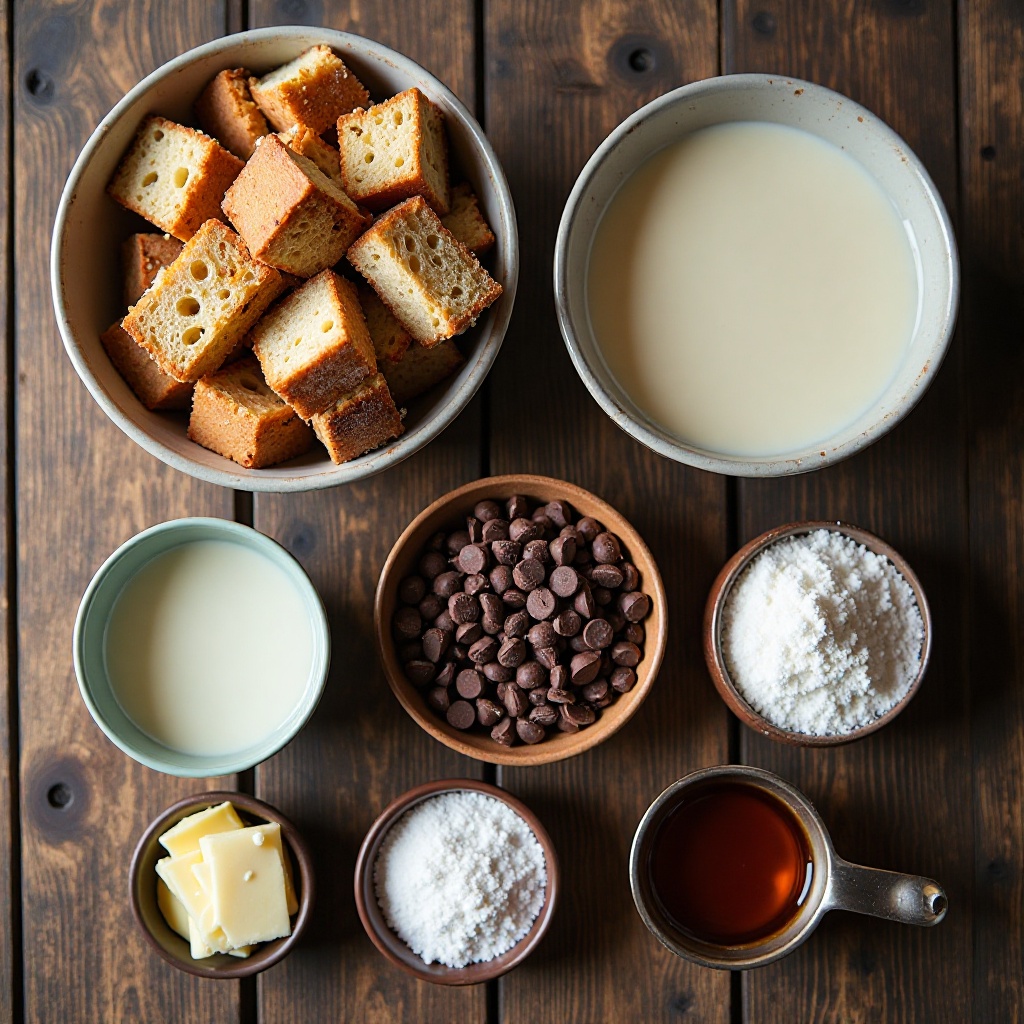
- 8 cups cubed day-old sourdough bread (about 1 large loaf)
- 2 cups whole milk
- 1 cup heavy cream
- 4 large eggs
- ¾ cup granulated sugar
- ½ cup unsweetened cocoa powder
- 1 tablespoon vanilla extract
- ½ teaspoon salt
- 1 cup semi-sweet chocolate chips
- 4 tablespoons melted butter
For Optional Topping:
- ½ cup chocolate chips (for sprinkling on top)
- Powdered sugar for dusting
- Whipped cream or vanilla ice cream for serving
Step-by-Step Instructions
Prepare Your Bread
Start by cutting your day-old sourdough into 1-inch cubes. Don’t worry about perfect uniformity—rustic chunks work beautifully here. If your bread is fresh, spread the cubes on a baking sheet and let them sit out for a few hours or toast lightly in a 250°F oven for 10 minutes. You want slightly dried bread that can absorb all that luscious custard without turning mushy.
Grease a 9×13 inch baking dish generously with butter. Arrange your bread cubes evenly in the dish, making sure they’re loosely packed with some air pockets for the custard to flow through.
Create the Chocolate Custard
In a large mixing bowl, whisk together the eggs and sugar until the mixture becomes light and slightly fluffy. This takes about 2 minutes of good whisking. You’ll notice the color lightens a bit—that’s exactly what you want.
Sift the cocoa powder into the egg mixture to avoid lumps. Whisk vigorously until completely smooth and no streaks of cocoa remain. The mixture should be thick and glossy.
Pour in the milk and heavy cream gradually while whisking continuously. Add the vanilla extract, melted butter, and salt. Whisk everything together until you have a silky, smooth chocolate custard. Take a moment to taste it—this is the flavor that’ll infuse your bread!
Combine and Rest
Pour the chocolate custard evenly over the bread cubes, making sure to cover all pieces. Use a spatula or your hands to gently press the bread down into the custard, ensuring every cube gets a good soak.
Sprinkle the chocolate chips throughout, pushing some down into the mixture and leaving some on top. These will create pockets of melted chocolate throughout your pudding.
Cover the baking dish with plastic wrap and let it rest for 20 minutes. This resting time is crucial—it allows the bread to absorb the custard fully, resulting in a creamier final product. If you have time, you can even refrigerate it for up to 4 hours or overnight.
Bake to Perfection
Preheat your oven to 350°F (175°C). Remove the plastic wrap from your pudding and give it one final gentle press to ensure everything’s well-soaked.
If you’re adding extra chocolate chips on top, sprinkle them now. Place the dish in the center of your preheated oven.
Bake for 40-45 minutes, until the top is set and springs back lightly when touched. The edges should be slightly crispy and pulling away from the sides, while the center remains soft and creamy. A toothpick inserted in the center should come out with moist crumbs, not wet batter.
Cool and Serve
Remove from the oven and let the pudding cool for at least 10 minutes before serving. This cooling time allows the custard to set properly, making it easier to cut clean portions.
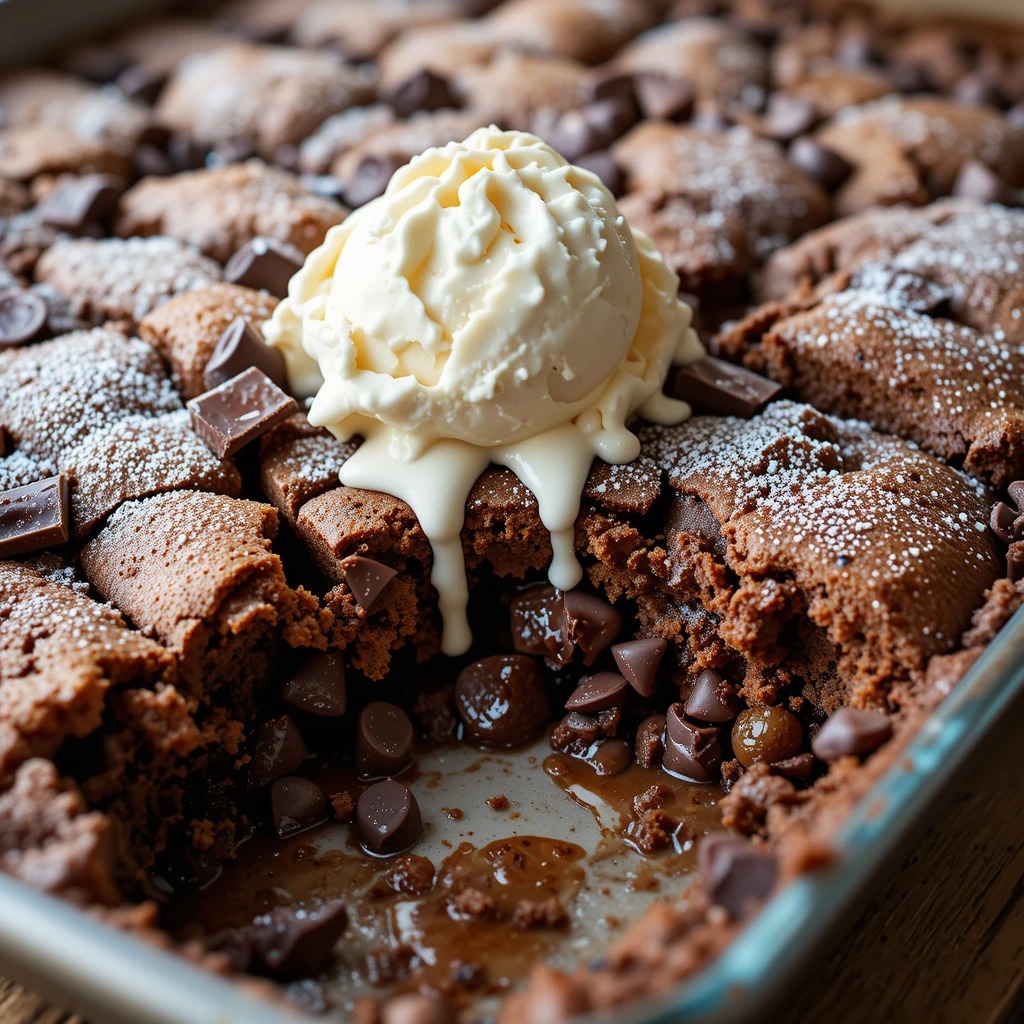
Dust with powdered sugar if desired, and serve warm with your favorite toppings. The pudding is best enjoyed warm when the chocolate is still melty and the texture is at its peak.
What to Serve Chocolate Sourdough Bread Pudding With
This dessert shines brightest when paired thoughtfully. A scoop of vanilla ice cream melting over warm pudding creates an incredible hot-and-cold contrast that’s absolutely heavenly.
Fresh whipped cream adds a light, airy element that balances the richness beautifully. For an extra special touch, flavor your whipped cream with a hint of cinnamon or espresso powder.
Hot coffee or espresso makes an excellent accompaniment, as the slight bitterness complements the chocolate perfectly. A glass of cold milk works wonderfully too, especially for kids.
For a complete dessert spread, serve alongside fresh strawberries or raspberries. The tartness of berries cuts through the richness and adds a refreshing element.
Consider drizzling with salted caramel sauce, chocolate ganache, or even a simple chocolate syrup for extra indulgence. A sprinkle of toasted pecans or almonds adds a delightful crunch that contrasts with the soft pudding.
Top Tips for Perfecting Chocolate Sourdough Bread Pudding
Use Day-Old Bread
Fresh bread will turn mushy and fall apart in the custard. Day-old or slightly stale sourdough has the perfect texture to absorb liquid while maintaining structure. If you only have fresh bread, cube it and let it dry out on the counter for several hours, or toast it lightly.
Don’t Skip the Resting Time
That 20-minute rest isn’t optional—it’s the secret to evenly soaked, perfectly textured pudding. The bread needs time to absorb the custard fully. Rushing this step results in dry spots and uneven texture. For even better results, let it rest for an hour or prepare it the night before.
Adjust Chocolate Intensity
Love intense chocolate flavor? Increase the cocoa powder to ⅔ cup or use dark chocolate chips instead of semi-sweet. Prefer milder chocolate? Reduce cocoa to ⅓ cup and use milk chocolate chips. You can also mix in white chocolate chips for a marbled effect.
Check Doneness Properly
The pudding is done when the edges are set and slightly pulling away from the pan, but the center still has a slight jiggle. It will continue cooking from residual heat after you remove it. Overbaking creates a dry, cake-like texture instead of that creamy, custard-like consistency you want.
Ingredient Substitutions
Can’t find sourdough? Use French bread, challah, or brioche instead. The texture will be slightly different, but still delicious. For a dairy-free version, substitute coconut milk for regular milk and use coconut cream instead of heavy cream. The flavor will have a subtle coconut note that pairs surprisingly well with chocolate.
If you’re out of cocoa powder, melt ½ cup of chocolate chips and whisk them into the warm milk mixture instead. This creates an even richer, more intense chocolate flavor.
Temperature Matters
Make sure your milk mixture is warm, not hot, when mixing with eggs. If it’s too hot, you’ll scramble the eggs. If it’s too cold, the melted butter will solidify. Room temperature or slightly warm is perfect.
Storing and Reheating Tips
Refrigerator Storage
Store leftover chocolate sourdough bread pudding in an airtight container or cover the baking dish tightly with plastic wrap or aluminum foil. It will stay fresh in the refrigerator for up to 4 days. The texture may become slightly denser as it sits, but the flavor remains delicious.
Make sure the pudding has cooled completely before refrigerating to prevent condensation, which can make it soggy. Portion it into individual servings before storing for easy grab-and-go treats.
Freezing Instructions
This bread pudding freezes beautifully for up to 3 months! Cut into individual portions and wrap each piece tightly in plastic wrap, then place in a freezer-safe container or zip-top bag. Remove as much air as possible to prevent freezer burn.
Label with the date so you remember when you made it. Frozen portions can be thawed overnight in the refrigerator before reheating.
Reheating for Best Results
For oven reheating, place portions in an oven-safe dish, cover with foil to prevent drying, and warm at 325°F for 15-20 minutes until heated through. This method preserves the texture best.
Microwave reheating works in a pinch—heat individual portions for 30-60 seconds at 50% power. Add a tablespoon of milk or cream before reheating to restore moisture and creaminess.
For a crispy top, remove the foil during the last 5 minutes of oven reheating, or pop it under the broiler for 1-2 minutes, watching carefully to prevent burning.
Tips for Avoiding Common Baking Mistakes
Mistake: Soggy, Mushy Pudding
This happens when the bread is too fresh or the custard ratio is off. Always use day-old bread with good structure. If your pudding seems too wet before baking, let it rest longer so the bread absorbs more liquid, or add an extra cup of bread cubes to balance the moisture.
Mistake: Dry, Cake-Like Texture
Overbaking is usually the culprit here. Remember, the pudding continues cooking after you remove it from the oven. Take it out when the center still has a slight jiggle. Also, make sure you’re using enough custard—the bread should be well-soaked, not just lightly coated.
Mistake: Uneven Chocolate Distribution
Stir your chocolate chips through the mixture instead of just sprinkling them on top. Press some down into the pudding before baking so every bite has chocolate. You can also add a handful of chips halfway through baking for extra melty pockets.
Mistake: Burnt Top, Raw Center
If the top is browning too quickly, tent the dish with aluminum foil and continue baking. Place your baking dish in the center of the oven, not too close to the top heating element. If you have a hot oven, reduce the temperature by 25°F and bake slightly longer.
Mistake: Scrambled Eggs in Custard
Always temper your eggs by adding the warm milk mixture gradually while whisking constantly. Never pour hot liquid directly into eggs. If you see any curdling, strain the custard through a fine-mesh sieve before pouring over the bread.
Mistake: Bland Flavor
Don’t skimp on the vanilla extract or salt—both enhance the chocolate flavor significantly. Use good quality cocoa powder for the best taste. Bloom your cocoa powder by whisking it with the warm milk first, which intensifies the chocolate flavor.
Frequently Asked Questions
Can I use fresh sourdough bread instead of day-old?
While day-old bread works best, you can use fresh sourdough if needed. Simply cube it and spread on a baking sheet, then toast in a 250°F oven for 10-15 minutes until slightly dried out. This prevents the pudding from becoming too mushy. Fresh bread contains more moisture, which can create a soggy texture when combined with the custard.
How do I know when the bread pudding is fully cooked?
The pudding is done when the edges are set and pulling away slightly from the pan, the top springs back when gently pressed, and a knife inserted near the center comes out mostly clean with just a few moist crumbs. The center should have a slight jiggle but not be liquid. Internal temperature should reach 160°F.
Can I make this chocolate sourdough bread pudding ahead of time?
Absolutely! Prepare the entire dish up to 24 hours in advance, cover tightly, and refrigerate. When ready to bake, let it sit at room temperature for 20 minutes, then bake as directed, adding 5-10 extra minutes to the baking time since it’s starting cold. You can also bake it completely, then reheat before serving.
What can I substitute for heavy cream?
You can use all whole milk instead of the milk and cream combination, though the pudding will be slightly less rich. Half-and-half works perfectly as a middle ground. For a dairy-free option, use full-fat coconut milk or coconut cream, which provides similar richness and body to the custard.
Why is my bread pudding watery?
Watery pudding usually results from not letting the bread soak long enough or using bread that’s too fresh and moist. Make sure to let the assembled pudding rest for at least 20 minutes before baking, or even overnight. Also ensure your bread cubes are slightly dried out. If it’s still watery after baking, it may need more time in the oven.
Can I add other mix-ins to this recipe?
Definitely! Consider adding chopped nuts like pecans or walnuts, dried cherries or cranberries, peanut butter chips, or white chocolate chunks. Swirl in some raspberry or strawberry jam for a chocolate-fruit combination. Just don’t add too many extras—about 1 cup total of mix-ins works best.
How can I make this recipe less sweet?
Reduce the sugar to ½ cup instead of ¾ cup, and use dark chocolate chips with 70% or higher cocoa content instead of semi-sweet. You can also increase the cocoa powder slightly to boost the deep chocolate flavor without adding sweetness. Balancing with a pinch of espresso powder enhances chocolate taste without sugar.
Is it normal for the top to crack?
Yes, some cracking on top is completely normal and doesn’t affect the taste or texture. As the custard sets and the pudding rises slightly during baking, the surface may develop a few cracks. This actually adds to the rustic, homemade appearance. If you prefer a smoother top, cover with foil for the first half of baking.
Nutrition Information
| Nutrient | Amount Per Serving |
|---|---|
| Serving Size | 1 piece (1/12 of recipe) |
| Calories | 385 |
| Total Fat | 18g |
| Saturated Fat | 10g |
| Cholesterol | 95mg |
| Sodium | 280mg |
| Total Carbohydrates | 48g |
| Dietary Fiber | 3g |
| Sugars | 28g |
| Protein | 9g |
| Calcium | 120mg |
| Iron | 2.5mg |
Note: Nutrition information is approximate and will vary based on specific ingredients used and portion sizes.
Final Thoughts
This chocolate sourdough bread pudding proves that the best recipes often come from resourcefulness and creativity. There’s something deeply satisfying about transforming day-old bread into a dessert that rivals anything from a fancy bakery.
The beauty of this recipe lies in its simplicity and adaptability. Whether you’re serving it at a holiday dinner, bringing it to a potluck, or simply treating yourself on a quiet weekend, it never disappoints. The combination of tangy sourdough and rich chocolate creates a flavor complexity that keeps people coming back for more.
Don’t be intimidated by the idea of making bread pudding from scratch. This recipe is forgiving, flexible, and honestly pretty hard to mess up. Even if you’re new to baking, you’ll find success with this one.
So the next time your sourdough starts getting a little stale, resist the urge to toss it. Instead, gather your ingredients and create this chocolate masterpiece. Your kitchen will smell incredible, and your family will think you’re a dessert genius.
Now grab that leftover sourdough and let’s get baking! This chocolate sourdough bread pudding is waiting to become your new favorite way to end any meal.