Easy Keto Lemon Ricotta Pancakes – Ready in 25 Minutes
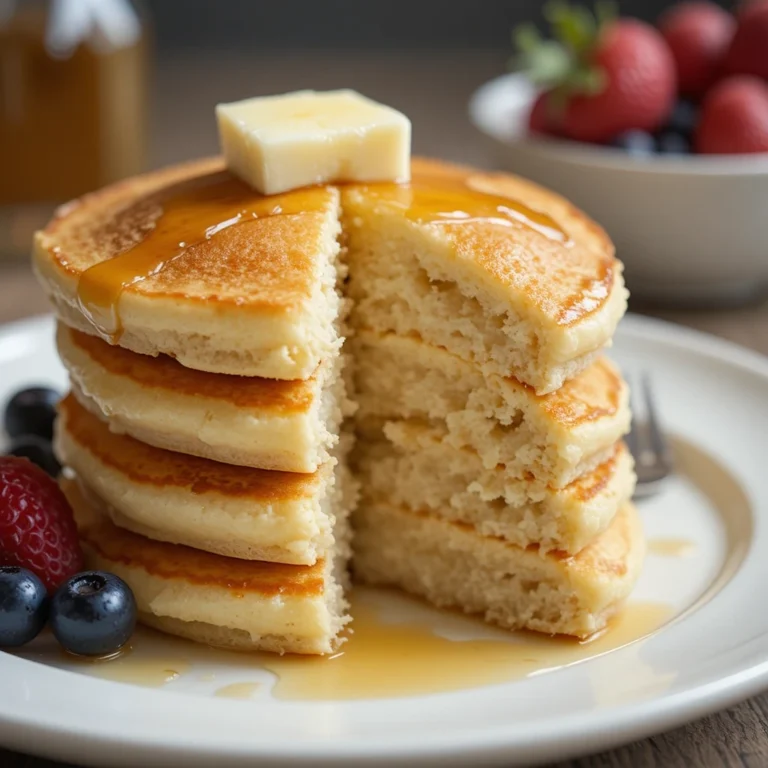
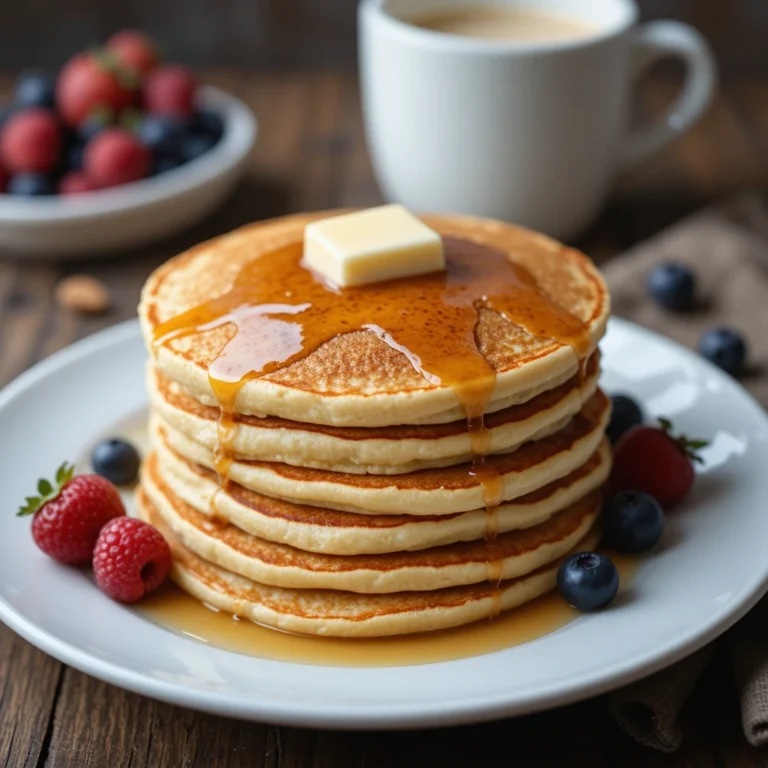
Imagine waking up to the scent of fluffy, cloud-like pancakes with a bright citrus twist that makes your taste buds dance. These keto lemon ricotta pancakes are everything you dream about in a low-carb breakfast. They’re creamy, tangy, and surprisingly satisfying.
I stumbled upon this recipe during my first month of keto when I was desperately missing traditional pancakes. Now they’re my Sunday morning ritual! Unlike my classic almond flour pancakes, these have an irresistibly light texture thanks to the ricotta cheese. Trust me, you’ll want to bookmark this one.
What are Keto Lemon Ricotta Pancakes?
Ever wonder why something so simple sounds so fancy? These aren’t your grandma’s regular pancakes, that’s for sure. Keto lemon ricotta pancakes combine the Italian love affair with ricotta cheese and the refreshing zing of fresh lemon into a low-carb breakfast masterpiece.
They say the way to anyone’s heart is through their stomach, and these fluffy beauties prove it every single time. Don’t let the elegant name intimidate you. These are easier to make than you think, and I promise they’ll become your new weekend staple.
Why You’ll Love This Keto Lemon Ricotta Pancakes
Incredibly Light and Fluffy Texture
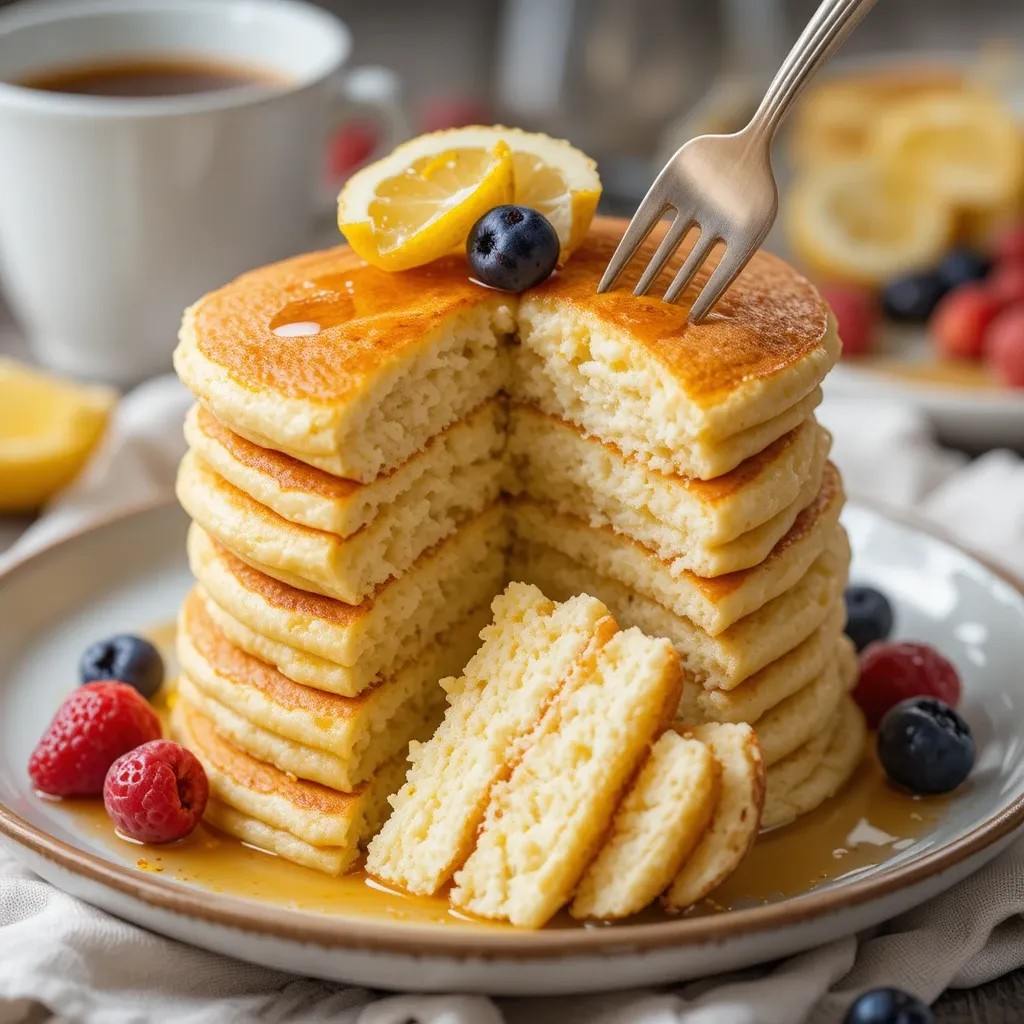
The ricotta cheese creates the most amazing texture you can imagine in a keto pancake. Unlike dense almond flour pancakes that sometimes feel heavy, these are airy and delicate. Each bite melts in your mouth while still being satisfying enough to keep you full until lunch. The lemon adds a brightness that cuts through the richness perfectly.
Budget-Friendly Keto Breakfast
Making pancakes at home, even fancy keto ones, costs significantly less than buying premade low-carb options or eating out. A container of ricotta cheese goes a long way, and the other ingredients are simple pantry staples. You’re looking at just a few dollars per batch, which serves four people generously. Compare that to restaurant prices or specialty keto products!
Customizable Flavor Profile
While the lemon ricotta combination is divine on its own, you can top these pancakes with sugar-free syrup, fresh berries, whipped cream, or even a dollop of Greek yogurt. The mild flavor base means they pair beautifully with both sweet and slightly savory toppings. If you loved my keto blueberry muffins, you’ll appreciate how versatile low-carb baking can be. Go ahead and make a double batch because these disappear fast!
How to Make Keto Lemon Ricotta Pancakes
Quick Overview
This recipe creates tender, restaurant-quality pancakes in under 30 minutes. The ricotta makes them naturally moist and fluffy without needing complicated techniques. The fresh lemon zest and juice provide a sophisticated flavor that doesn’t taste “diet-y” at all.
- Prep Time: 10 minutes
- Cook Time: 15 minutes
- Total Time: 25 minutes
- Servings: 4 (about 8-10 pancakes)
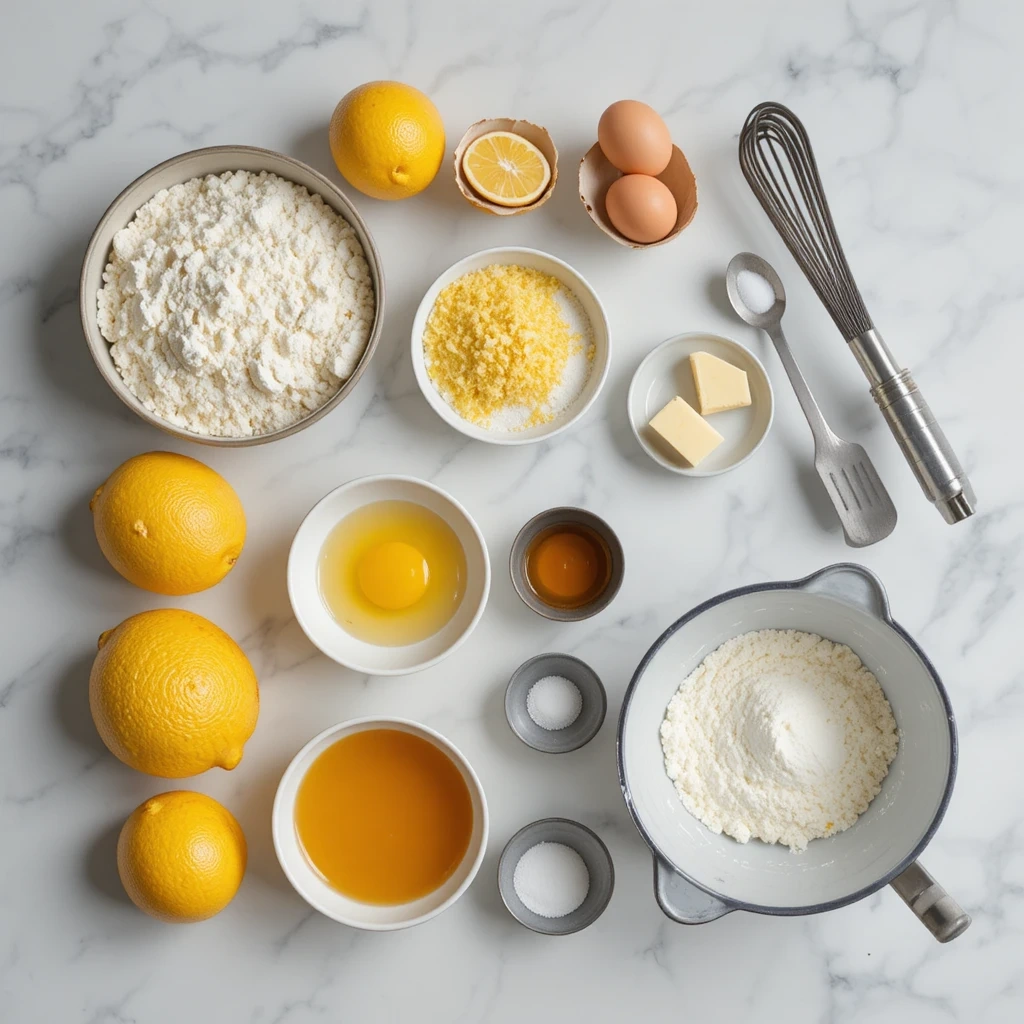
Key Ingredients for Keto Lemon Ricotta Pancakes
Dry Ingredients:
- 1 cup almond flour (finely ground, not almond meal)
- 2 tablespoons coconut flour
- 2 tablespoons erythritol or monk fruit sweetener
- 1 teaspoon baking powder
- ¼ teaspoon salt
Wet Ingredients:
- 1 cup whole milk ricotta cheese (room temperature)
- 3 large eggs (room temperature)
- 2 tablespoons melted butter or coconut oil
- Zest of 1 large lemon
- 2 tablespoons fresh lemon juice
- 1 teaspoon vanilla extract
For Cooking:
- Butter or coconut oil for the griddle
Step-by-Step Instructions
Step 1: Prepare Your Ingredients
Take your eggs and ricotta cheese out of the refrigerator about 30 minutes before cooking. Room temperature ingredients mix together much better and create a smoother batter. Zest your lemon first before cutting it to juice. This makes the process so much easier. Measure out all your dry and wet ingredients separately.
Step 2: Mix the Dry Ingredients
In a medium bowl, whisk together the almond flour, coconut flour, sweetener, baking powder, and salt. Make sure there are no lumps in the coconut flour as it tends to clump. Whisking for a good 30 seconds ensures everything is evenly distributed. This step is crucial for consistent pancakes.
Step 3: Combine the Wet Ingredients
In a large bowl, add the ricotta cheese and use a fork to break it up a bit. Add the eggs one at a time, mixing well after each addition. Stir in the melted butter, lemon zest, lemon juice, and vanilla extract. The mixture should look smooth and creamy. Don’t worry if there are tiny lumps from the ricotta – that’s perfectly normal and actually adds to the texture.
Step 4: Create the Batter
Pour the dry ingredients into the wet ingredients. Use a spatula to gently fold everything together. Mix just until combined – overmixing can make the pancakes tough. The batter will be thicker than regular pancake batter, almost like a thick cake batter. Let it rest for 5 minutes. This allows the coconut flour to absorb moisture and gives you fluffier pancakes.
Step 5: Heat Your Griddle or Pan
Place a non-stick griddle or large skillet over medium heat. Add a small pat of butter or a teaspoon of coconut oil. Let it melt and coat the surface. The pan is ready when a drop of water sizzles on contact. Getting the temperature right is important – too hot and the outside burns before the inside cooks; too cool and they’ll be dense.
Step 6: Cook the Pancakes
Scoop about ¼ cup of batter onto the hot griddle for each pancake. Use the back of the spoon to gently spread it into a circle about 3-4 inches wide. Don’t spread too thin. Cook for 2-3 minutes until you see bubbles forming on the surface and the edges look set. The bottom should be golden brown.
Step 7: Flip and Finish
Carefully flip each pancake using a wide spatula. Cook for another 2-3 minutes until the second side is golden brown and the pancake feels firm in the center. Transfer to a plate and keep warm. Repeat with the remaining batter, adding more butter to the pan as needed. You should get 8-10 pancakes depending on size.
Step 8: Serve Immediately
Stack your beautiful pancakes on plates and serve while they’re still warm. The heat brings out the lemon flavor beautifully. Top with your favorite keto-friendly toppings and enjoy your creation!
What to Serve Keto Lemon Ricotta Pancakes With
These versatile pancakes pair wonderfully with many accompaniments. Here are my favorite combinations:
- Sugar-free maple syrup – The classic choice that never disappoints
- Fresh berries – Strawberries, blueberries, or raspberries add natural sweetness and beautiful color
- Whipped cream – A dollop of unsweetened whipped cream adds luxury
- Greek yogurt – Plain full-fat Greek yogurt complements the tangy lemon perfectly
- Sugar-free lemon curd – Double down on the lemon flavor for citrus lovers
- Butter and cinnamon – Simple but incredibly satisfying
- Crispy bacon – The savory-sweet contrast is amazing
- Scrambled eggs – Make it a complete breakfast spread
- Coffee or tea – A hot cup of coffee or herbal tea rounds out the meal
Top Tips for Perfecting Keto Lemon Ricotta Pancakes
Use Fresh Lemon for Best Flavor
Bottled lemon juice just doesn’t compare to fresh. The zest especially makes a huge difference. Fresh lemon provides bright, aromatic oils that transform these pancakes from good to incredible.
Don’t Skip the Resting Time
Letting the batter rest for 5 minutes allows the flours to hydrate properly. This creates a better texture and helps prevent dense or gummy pancakes. Use this time to prepare your toppings.
Temperature Control is Everything
Medium heat is your friend. Too high and the outsides burn while the insides stay raw. Too low and they become dry and tough. If your first pancake cooks too quickly or too slowly, adjust the heat accordingly.
Room Temperature Ingredients Matter
Cold eggs and ricotta don’t incorporate as smoothly into the batter. Room temperature ingredients create a lighter, more even texture. Plan ahead and take them out early.
Measure Flour Correctly
Spoon almond flour into your measuring cup and level it off. Don’t pack it down or scoop directly from the bag. Too much flour makes dense, heavy pancakes. This simple technique ensures consistent results every time.
Choose Quality Ricotta
Whole milk ricotta gives the best texture and flavor. Part-skim versions can work but may be slightly less rich. Check that your ricotta isn’t watery – if it is, drain it through a fine-mesh strainer first.
Keep Pancakes Warm
If you’re making a large batch, keep finished pancakes warm in a 200°F oven on a baking sheet. This way everyone can eat hot pancakes together instead of watching you cook.
Substitute Wisely
If you don’t have coconut flour, you can use an additional 2 tablespoons of almond flour, though the texture will be slightly different. For dairy-free, try cashew cream instead of ricotta, but the flavor will change. There’s no perfect substitute for ricotta’s unique texture.
Storing and Reheating Tips
Refrigerator Storage
Let the pancakes cool completely to room temperature first. Stack them with small pieces of parchment paper between each pancake to prevent sticking. Place in an airtight container or zip-top bag. They’ll stay fresh in the refrigerator for up to 5 days. The lemon flavor actually develops more over the first day or two.
Freezer Storage
These pancakes freeze beautifully for up to 3 months. Arrange cooled pancakes in a single layer on a baking sheet and freeze until solid, about 2 hours. This prevents them from sticking together. Then transfer to a freezer-safe bag or container with parchment paper between layers. Label with the date so you remember when you made them.
Reheating from Refrigerated
For the best texture, reheat in a toaster or toaster oven for 2-3 minutes. This crisps up the outside while warming the inside. You can also microwave for 30-45 seconds, though they won’t be quite as crispy. A skillet works well too – just add a tiny bit of butter and warm over medium-low heat for about a minute per side.
Reheating from Frozen
No need to thaw first. Pop frozen pancakes directly into the toaster for 3-4 minutes, or microwave for 60-90 seconds. For the oven, arrange on a baking sheet and heat at 350°F for 8-10 minutes. They’ll taste freshly made.
Common Baking Mistakes to Avoid
Using Almond Meal Instead of Almond Flour
Almond meal has a coarser texture with bits of almond skin. It creates grainy, dense pancakes. Always use blanched, finely ground almond flour for smooth, tender results.
Mixing the Batter Too Much
Overmixing develops gluten-like bonds even in gluten-free flour and creates tough pancakes. Mix just until everything is combined. Some small lumps are perfectly fine and will cook out.
Making Pancakes Too Large
Keto pancakes are more delicate than wheat-based ones. Large pancakes are harder to flip and more likely to break. Stick to 3-4 inch pancakes for the best success rate, especially when you’re learning.
Not Letting Batter Rest
Coconut flour needs time to absorb liquid. Cooking immediately results in wet, undercooked centers even when the outside looks done. Those 5 minutes of patience make all the difference.
Cooking at the Wrong Temperature
High heat burns the outside while leaving the inside raw. Low heat dries them out. Medium heat allows even cooking. Test your first pancake and adjust from there.
Spreading Batter Too Thin
These pancakes need thickness to stay fluffy. Don’t spread the batter too much. Let it settle naturally into a nice puffy circle. Thinner pancakes can become crispy and cracker-like rather than fluffy.
Using Old Baking Powder
Baking powder loses potency over time. If yours is older than 6 months, test it by adding a teaspoon to hot water. It should fizz immediately. Old baking powder means flat, dense pancakes no matter what else you do right.
Skipping the Lemon Zest
Some people think just the juice is enough. Wrong! The zest contains aromatic oils that provide most of the lemon flavor. Juice adds tang, but zest adds the essence. Use both for the full experience.
Nutrition Information
| Nutrient | Per Serving (2-3 pancakes) |
|---|---|
| Calories | 285 |
| Total Fat | 24g |
| Saturated Fat | 8g |
| Protein | 12g |
| Total Carbohydrates | 9g |
| Dietary Fiber | 3g |
| Net Carbs | 6g |
| Sugar | 3g |
Note: Nutrition information is approximate and may vary based on specific ingredients used.
Frequently Asked Questions
Can I make keto lemon ricotta pancakes without coconut flour?
Yes, you can replace the coconut flour with an additional 2 tablespoons of almond flour, but the texture will be slightly different. Coconut flour helps bind the ingredients and creates fluffiness. Without it, the pancakes may be a bit denser but still delicious.
Are ricotta pancakes gluten-free?
Absolutely! This recipe is naturally gluten-free since it uses almond flour and coconut flour instead of wheat flour. Just make sure all your ingredients, especially the baking powder, are certified gluten-free if you have celiac disease or severe gluten sensitivity.
How do I keep keto pancakes from being too dense?
The key is using room temperature ingredients, not overmixing the batter, and letting it rest for 5 minutes before cooking. Also, make sure your baking powder is fresh and active. The ricotta in this recipe naturally creates a lighter texture than most keto pancakes.
Can I substitute cottage cheese for ricotta?
I don’t recommend it. Cottage cheese has much more moisture and larger curds, which will make your pancakes watery and change the texture significantly. Ricotta’s creamy, smooth consistency is essential for the right results. If you must substitute, drain cottage cheese extremely well and blend it smooth first.
Why are my keto pancakes falling apart?
This usually happens when the batter is too thin, the pan is too hot, or you’re flipping too soon. Make sure your batter has the right consistency – thick like cake batter. Let the first side cook completely until bubbles form and the edges set before flipping. Use a wide spatula and be gentle.
How many carbs are in lemon ricotta pancakes?
This recipe contains about 6g net carbs per serving (2-3 pancakes), making it perfect for keto diets. The combination of almond flour, coconut flour, and ricotta keeps the carb count low while providing plenty of healthy fats and protein.
Can I make the batter ahead of time?
You can prepare the batter up to 24 hours in advance and store it covered in the refrigerator. Give it a gentle stir before cooking. The batter may thicken as it sits, which is normal. You might need to add a teaspoon of water if it becomes too thick.
What can I use instead of erythritol in keto pancakes?
Monk fruit sweetener, allulose, or stevia work well as substitutes. Keep in mind that stevia is much sweeter, so you’ll need less – start with 1 teaspoon and adjust to taste. Allulose behaves most like sugar. Each sweetener has a slightly different taste, so choose your favorite.
Why do my keto pancakes taste eggy?
The lemon and vanilla in this recipe help mask any eggy flavor. If you’re still sensitive to it, try adding an extra ½ teaspoon of vanilla extract or a pinch of cinnamon. Make sure you’re not overmixing the batter, which can emphasize the egg taste.
Can I double this pancake recipe?
Absolutely! This recipe doubles easily. Just multiply all ingredients by two and mix as directed. You might want to keep the first batch warm in a low oven while you cook the second batch so everyone can eat together.
Final Thoughts
These keto lemon ricotta pancakes have honestly changed my breakfast game. The combination of creamy ricotta and bright lemon creates something special that doesn’t feel like you’re sacrificing anything on a low-carb diet. They’re fluffy, satisfying, and actually exciting to wake up to.
I love how these pancakes work for lazy Sunday mornings and busy weekday breakfasts alike. Make a big batch on the weekend and reheat throughout the week. Your future self will thank you when you have a delicious, keto-friendly breakfast ready in minutes.
The best part? Even non-keto family members request these. My kids don’t know they’re eating “diet food” – they just know they’re eating delicious pancakes. That’s the kind of recipe that makes healthy eating sustainable.
Whether you’re fully committed to keto or just trying to cut back on carbs, these lemon ricotta pancakes deserve a spot in your regular rotation. They prove that eating low-carb doesn’t mean settling for boring or bland. Give them a try this weekend, and I bet they’ll become your new favorite too!
Have you tried these keto lemon ricotta pancakes? I’d love to hear about your experience! Drop a comment below and let me know what toppings you used or any creative variations you tried. Happy cooking!