Easy Almond Flour Keto Pancakes – 15 Minutes Breakfast Idea
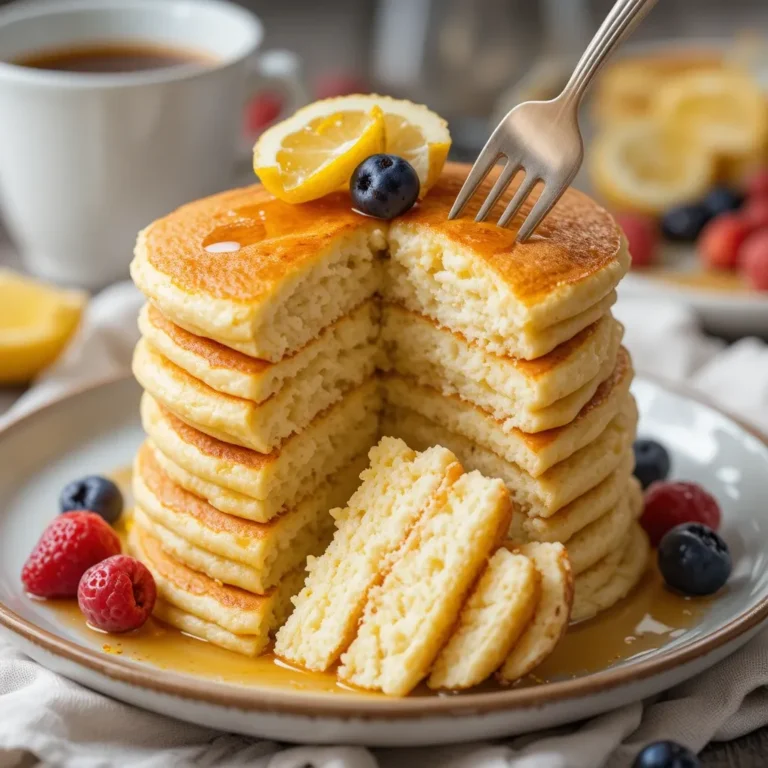
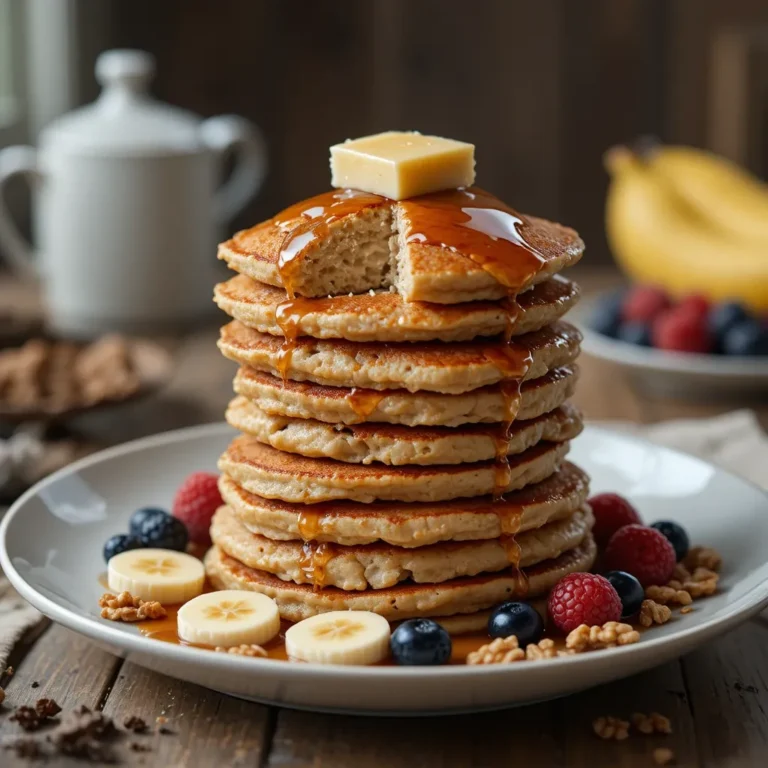
Imagine waking up to a stack of golden, fluffy pancakes that won’t derail your healthy eating goals. These almond flour keto pancakes are everything you’ve been craving – tender, slightly sweet, and satisfying without the guilt. I remember the first Saturday morning I made these for my family, expecting skeptical faces.
Instead, my husband asked if I’d secretly ordered them from a restaurant! That’s how good these are. They’re ready in just 15 minutes, making them perfect for busy mornings when you need something delicious fast.
What Are Almond Flour Keto Pancakes?
So, what makes these pancakes “keto” anyway? Simply put, they’re low-carb pancakes made with almond flour instead of regular wheat flour, keeping your blood sugar steady while satisfying that pancake craving. Why almond flour, you ask?
Because it’s naturally low in carbs, high in protein, and creates the most wonderfully tender texture. My grandmother always said the way to anyone’s heart is through their stomach, and these pancakes prove it every single time. Whether you’re following a keto lifestyle or just looking for a healthier breakfast option, you need to try these today!
Why You’ll Love This Almond Flour Keto Pancakes Recipe
The Texture Is Simply Unbeatable
These pancakes are genuinely fluffy and light, not dense or grainy like some almond flour recipes can be. The secret? The perfect ratio of eggs to almond flour creates a batter that cooks up beautifully golden with slightly crispy edges and a soft, tender center. Every bite melts in your mouth with a subtle nutty sweetness that makes you forget you’re eating something healthy.
Budget-Friendly Home Cooking
Making these pancakes at home saves you serious money compared to ordering keto-friendly breakfast at restaurants. A bag of almond flour costs around $10 and makes multiple batches, while a single keto breakfast out can easily run $15-20. Plus, you control exactly what goes into your food – no hidden sugars or mysterious ingredients.
Endless Topping Possibilities
The beauty of these pancakes is how they become a blank canvas for your favorite flavors. Drizzle with sugar-free maple syrup, add a dollop of whipped cream, scatter fresh berries on top, or go savory with cream cheese and smoked salmon. If you loved our keto blueberry muffins, you’ll absolutely adore these pancakes with the same fresh berries mixed right into the batter.
I encourage you to make these this weekend and discover just how delicious healthy eating can be!
How to Make Almond Flour Keto Pancakes
Quick Overview
This recipe delivers perfectly fluffy, low-carb pancakes in under 20 minutes from start to finish. The almond flour creates a naturally moist, tender crumb while keeping net carbs incredibly low. You’ll love how the slight nuttiness pairs beautifully with both sweet and savory toppings.
Time Breakdown:
- Prep Time: 5 minutes
- Cook Time: 10 minutes
- Total Time: 15 minutes
- Yields: 8-10 medium pancakes (serves 4)
Key Ingredients for Almond Flour Keto Pancakes
Dry Ingredients:
- 2 cups finely ground almond flour (blanched works best)
- 2 tablespoons granulated erythritol or monk fruit sweetener
- 1 teaspoon baking powder
- 1/4 teaspoon sea salt
Wet Ingredients:
- 4 large eggs, room temperature
- 1/3 cup unsweetened almond milk
- 1 teaspoon pure vanilla extract
- 2 tablespoons melted butter or coconut oil, plus extra for cooking
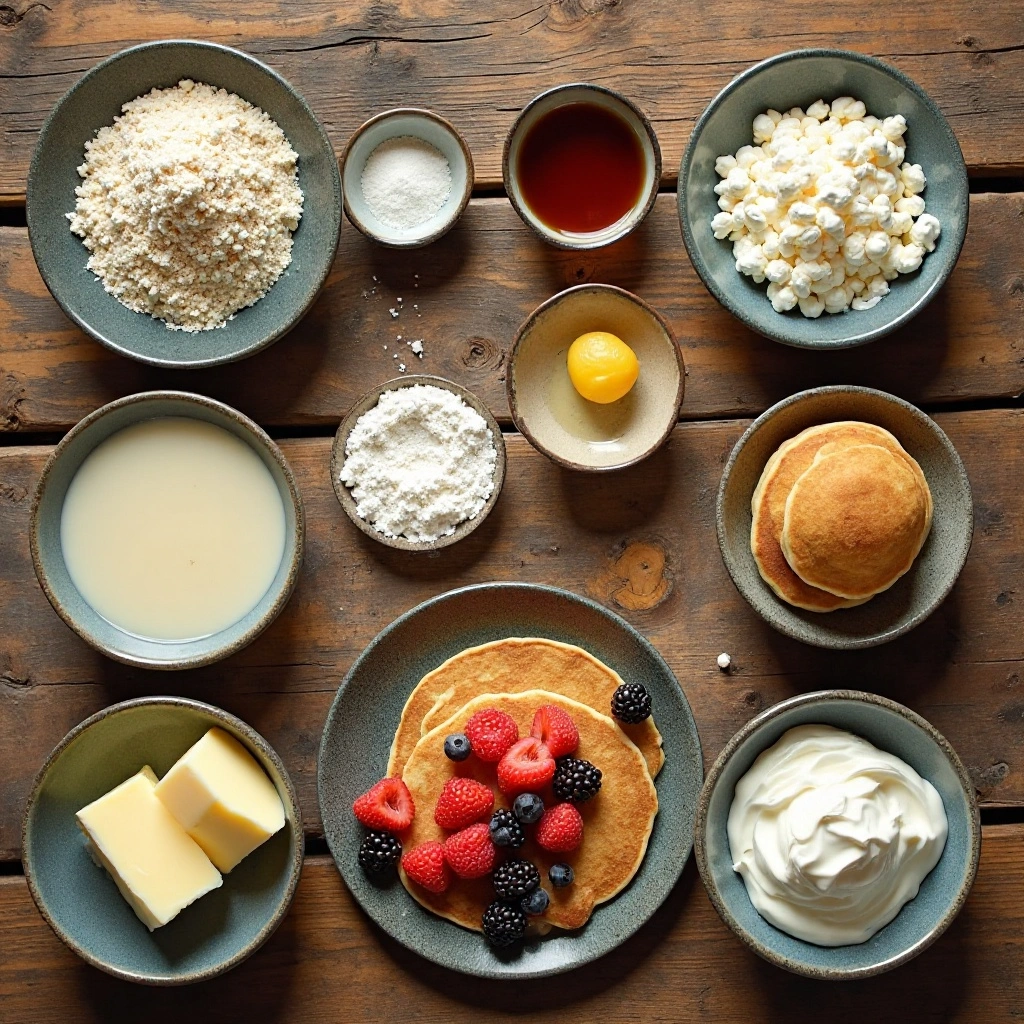
The quality of your almond flour makes a huge difference here. I always use finely ground, blanched almond flour for the smoothest texture. The coarser varieties can make your pancakes grainy, which nobody wants!
Step-by-Step Instructions
Step 1: Prepare Your Batter
In a large mixing bowl, whisk together the almond flour, sweetener, baking powder, and salt until well combined. Make sure there are no lumps in your almond flour – I like to sift it if I notice any clumps. This ensures your pancakes will be smooth and tender.
Step 2: Mix the Wet Ingredients
In a separate medium bowl, crack your eggs and whisk them thoroughly until the yolks and whites are fully combined. Add the almond milk, vanilla extract, and melted butter. Whisk everything together until the mixture is smooth and slightly frothy. The room temperature eggs are important here because they blend more easily and create a better texture.
Step 3: Combine Wet and Dry
Pour the wet ingredients into the bowl with the dry ingredients. Use a spatula or whisk to gently fold everything together. Mix just until combined – you’ll see a thick, pourable batter form. Don’t overmix! A few small lumps are perfectly fine. Overmixing can make your pancakes tough instead of fluffy. Let the batter rest for 2-3 minutes while you heat your pan. This allows the almond flour to absorb the liquid properly.
Step 4: Heat Your Pan
Place a non-stick skillet or griddle over medium heat. Add about 1/2 tablespoon of butter and let it melt, swirling to coat the pan evenly. The pan is ready when a drop of water sizzles on contact. If your pan is too hot, the pancakes will burn on the outside while staying raw inside.
Step 5: Cook the First Side
Pour about 1/4 cup of batter onto the hot griddle for each pancake. Use the back of your spoon or measuring cup to gently spread the batter into a circle about 4 inches wide. Almond flour batter is thicker than regular pancake batter, so it won’t spread on its own. Cook for 2-3 minutes until you see bubbles forming on the surface and the edges look set and slightly dry.
Step 6: Flip and Finish
Using a thin spatula, carefully flip each pancake. The first side should be golden brown with slight darker spots. Cook the second side for another 2-3 minutes until golden. Press gently on the center – if it springs back, it’s done. If it feels mushy, give it another minute.
Step 7: Keep Warm and Repeat
Transfer cooked pancakes to a plate and keep them warm in a 200°F oven while you finish the remaining batter. Add a little more butter to your pan between batches. You should get 8-10 beautiful pancakes from this recipe.
What to Serve Almond Flour Keto Pancakes With
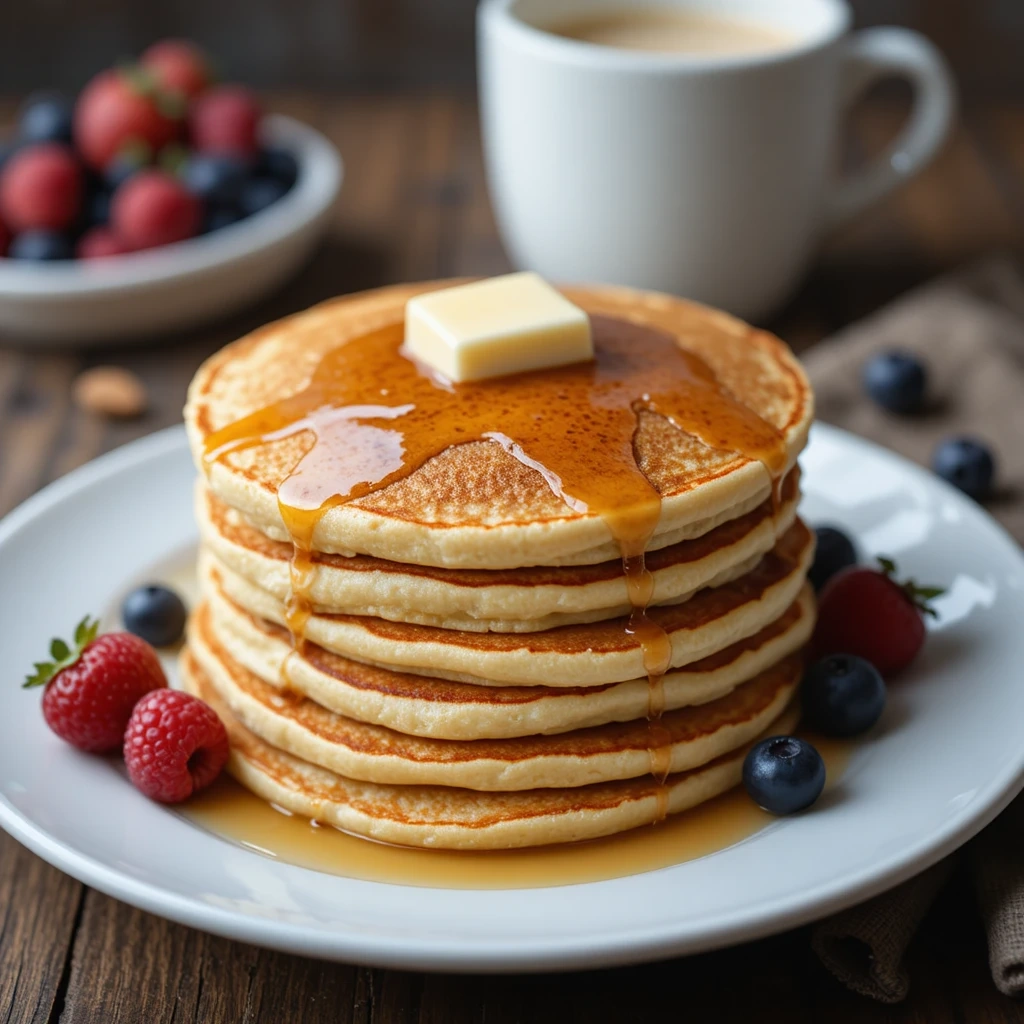
These versatile pancakes pair wonderfully with so many options! For a classic breakfast, serve them with sugar-free maple syrup and a pat of butter. I love adding fresh berries like strawberries, blueberries, or raspberries – they add natural sweetness and beautiful color.
Try them with crispy bacon or breakfast sausage on the side for a hearty, protein-packed meal. Sugar-free whipped cream makes them feel extra indulgent, or spread some almond butter between layers for added richness and protein.
For a special brunch, serve alongside scrambled eggs with cream cheese and smoked salmon. The savory elements balance the slightly sweet pancakes perfectly. A hot cup of bulletproof coffee or unsweetened almond milk latte completes the meal beautifully.
Don’t forget about savory toppings! These pancakes work wonderfully with cream cheese, everything bagel seasoning, and sliced avocado for a unique twist.
Top Tips for Perfecting Almond Flour Keto Pancakes
Use Room Temperature Ingredients
Cold eggs straight from the fridge don’t blend as smoothly and can create a lumpy batter. Let your eggs sit on the counter for 15 minutes before starting, or place them in a bowl of warm water for 5 minutes. This simple step makes a noticeable difference in texture.
Don’t Skip the Resting Time
Letting your batter rest for 2-3 minutes allows the almond flour to fully hydrate. This creates fluffier, more cohesive pancakes that hold together better when flipping. I know you’re hungry, but trust me on this one!
Master the Heat
Medium heat is your friend here. Almond flour pancakes brown faster than regular pancakes because of their fat content. If your first pancake burns, lower the heat. If it stays pale and takes forever to cook, increase it slightly. Every stovetop is different, so adjust accordingly.
The Flip Test
Wait for those bubbles! When you see bubbles forming on the surface and the edges look dry and set, that’s your signal to flip. Flipping too early results in broken, messy pancakes. Patience pays off here.
Ingredient Substitutions
No almond milk? Use any unsweetened milk you prefer – coconut milk, cashew milk, or even heavy cream mixed with water work great. For dairy-free, replace butter with coconut oil. If you don’t have erythritol, use any granulated keto sweetener in the same amount, or skip it entirely for unsweetened pancakes.
Size Matters
Smaller pancakes (about 3-4 inches) are easier to flip than large ones. Almond flour batter is more delicate than wheat flour, so keeping them manageable prevents breakage. Plus, smaller pancakes cook more evenly.
Add Mix-Ins Carefully
If adding blueberries or chocolate chips, drop them onto each pancake after pouring the batter on the griddle, not into the batter itself. This prevents them from sinking and ensures even distribution.
Storing and Reheating Tips
Refrigerator Storage
Let your pancakes cool completely on a wire rack before storing. Stack them with small pieces of parchment paper between each pancake to prevent sticking. Place in an airtight container and refrigerate for up to 5 days. This makes meal prep so easy – just make a big batch on Sunday!
Freezing for Later
These pancakes freeze beautifully! Once cooled, lay them in a single layer on a baking sheet and freeze for 1-2 hours until solid. Then transfer to a freezer-safe bag, separating layers with parchment paper. They’ll keep for up to 3 months. I always have a batch in my freezer for busy mornings.
Reheating Instructions
For refrigerated pancakes, pop them in the toaster for 1-2 minutes until warmed through and slightly crispy on the edges. You can also microwave them for 20-30 seconds, though they won’t be as crispy. For frozen pancakes, toast them straight from the freezer for 3-4 minutes, or thaw overnight in the fridge first. My favorite method is reheating them in a skillet with a little butter – tastes freshly made!
Tips for Avoiding Common Baking Mistakes
Mistake #1: Using the Wrong Almond Flour
Not all almond flour is created equal. Coarsely ground almond meal or almond flour with skins creates grainy, dense pancakes. Always use finely ground, blanched almond flour for the smoothest, fluffiest results. Check the texture before buying – it should feel like soft powder, not gritty sand.
Mistake #2: Overmixing the Batter
When you combine wet and dry ingredients, mix just until incorporated. Overmixing develops too much structure in the eggs, resulting in tough, rubbery pancakes. See lumps? That’s okay! A few small lumps will disappear during cooking.
Mistake #3: Skipping the Butter in the Pan
Even with a non-stick pan, you need fat for proper browning and to prevent sticking. Don’t skimp on the butter or oil between batches. This creates those beautiful golden spots and keeps your pancakes from tearing when you flip them.
Mistake #4: Flipping Too Soon or Too Often
Flip only once! Repeatedly flipping creates dense, tough pancakes. Wait until you see those bubbles and set edges, flip once, and leave it alone. Patience equals perfection.
Mistake #5: Making Pancakes Too Thick
Almond flour batter is naturally thick, but if your pancakes are too thick, they’ll burn outside while staying raw inside. Aim for about 1/4 inch thickness by spreading the batter slightly after pouring. If your batter seems too thick, thin it with a tablespoon of almond milk at a time.
Mistake #6: Not Adjusting Heat
If your first pancake doesn’t turn out perfectly, adjust your heat immediately. Don’t waste the whole batch! Too dark? Lower heat. Too pale? Increase heat. Your first pancake is your test pancake.
Mistake #7: Storing Pancakes While Still Warm
Putting warm pancakes in a container or bag creates steam, which makes them soggy and mushy. Always cool completely on a wire rack before storing. This keeps them fresh and prevents that unpleasant wet texture.
Frequently Asked Questions
Can I make these pancakes without eggs?
Eggs are pretty essential in this recipe as they provide structure and help bind everything together. However, you can try using flax eggs (1 tablespoon ground flaxseed mixed with 3 tablespoons water per egg, let sit 5 minutes). The texture will be different – denser and less fluffy – but still tasty. Some readers have had success with this substitution!
Why are my almond flour pancakes falling apart?
This usually happens for a few reasons: flipping too early before the first side is fully set, using too much liquid in the batter, or using coarsely ground almond flour. Make sure you’re using finely ground almond flour and letting the first side cook completely before flipping. The batter should be thick, not runny.
Can I use almond meal instead of almond flour?
While you can technically use almond meal, your pancakes will be grainier and denser. Almond meal includes the skins and is more coarsely ground. For the best texture, stick with finely ground, blanched almond flour. Trust me, it’s worth seeking out the right ingredient!
Are these pancakes really keto-friendly?
Absolutely! Each pancake contains approximately 3-4 net carbs, depending on size and toppings. Almond flour is naturally low in carbohydrates and high in healthy fats and protein, making it perfect for a ketogenic diet. Just watch your toppings – choose sugar-free syrups and avoid high-carb fruits.
How do I make these pancakes dairy-free?
Simply swap the butter for coconut oil and use your favorite unsweetened non-dairy milk. Coconut milk, almond milk, or cashew milk all work perfectly. The flavor will be slightly different but equally delicious!
Can I make the batter ahead of time?
You can prepare the dry ingredients ahead and store them in an airtight container. However, I don’t recommend making the full batter in advance. The baking powder starts working immediately when mixed with wet ingredients, and you’ll lose that fluffy rise if the batter sits too long. Mix it fresh for best results!
Why are my pancakes dense instead of fluffy?
Dense pancakes usually result from overmixing the batter, using expired baking powder, or cooking at too low a temperature. Mix just until combined, check that your baking powder is fresh (it should fizz when mixed with water), and make sure your pan is properly preheated to medium heat.
What’s the best way to reheat these pancakes?
My favorite method is the toaster! It makes them crispy on the outside and warm throughout. Alternatively, reheat in a skillet with a little butter for that fresh-cooked taste, or microwave for 20-30 seconds if you’re in a hurry. Avoid reheating in the oven as they can dry out.
Can I add protein powder to make these higher in protein?
Yes, you can replace up to 1/4 cup of the almond flour with unflavored or vanilla protein powder. More than that and the texture becomes too dense and dry. You may need to add a tablespoon or two of extra almond milk to compensate for the dryness of protein powder.
How many carbs are in these pancakes?
Each medium-sized pancake contains approximately 3-4 grams of net carbs, 6 grams of protein, and 10 grams of healthy fats. This makes them a perfectly balanced keto breakfast option. The exact nutrition varies slightly based on the size you make them and the specific brands of ingredients used.
Nutritional Information
| Nutrient | Per Pancake (2 pancakes per serving) |
|---|---|
| Calories | 280 |
| Total Fat | 24g |
| Saturated Fat | 5g |
| Cholesterol | 95mg |
| Sodium | 180mg |
| Total Carbohydrates | 8g |
| Dietary Fiber | 4g |
| Net Carbs | 4g |
| Protein | 12g |
Nutritional values are approximate and may vary based on specific ingredients used
There you have it – the ultimate guide to making perfect almond flour keto pancakes! These have become a weekend staple in my house, and I hope they bring as much joy to your breakfast table as they do to mine.
The best part? You can feel good about serving them to your family knowing they’re both delicious and nutritious. Don’t forget to save this recipe and share it with your keto friends who miss pancakes!
Happy cooking, and may your pancakes always be fluffy!