Cinnamon Sugar Sourdough Bread Recipe – Better Than Bakery
There’s something magical about pulling a golden loaf of cinnamon sugar sourdough bread from the oven. The sweet cinnamon swirls dancing through tangy sourdough create an irresistible combination that’ll have your kitchen smelling like a bakery. Fun fact: cinnamon was once more valuable than gold!
This recipe transforms your everyday sourdough into something extraordinary. It’s surprisingly simple, requires just a few extra ingredients beyond your basic sourdough, and creates a loaf that disappears faster than you can say “second slice.” If you loved my classic artisan sourdough bread, wait until you taste this sweet version!
What is Cinnamon Sugar Sourdough Bread?
Ever wonder why we can’t resist adding cinnamon and sugar to basically everything? This cinnamon sugar sourdough bread is your tangy sourdough starter’s sweet adventure. It’s like your classic sourdough went to a cinnamon roll party and came back with the best ideas.
The tangy depth meets sweet warmth in every bite. You know what they say – the way to anyone’s heart is through their stomach, and this bread is your golden ticket. Trust me, once you bake this beauty, you’ll understand why it deserves a permanent spot in your baking rotation!
Why You’ll Love This Cinnamon Sugar Sourdough Bread
The Perfect Balance of Sweet and Tangy
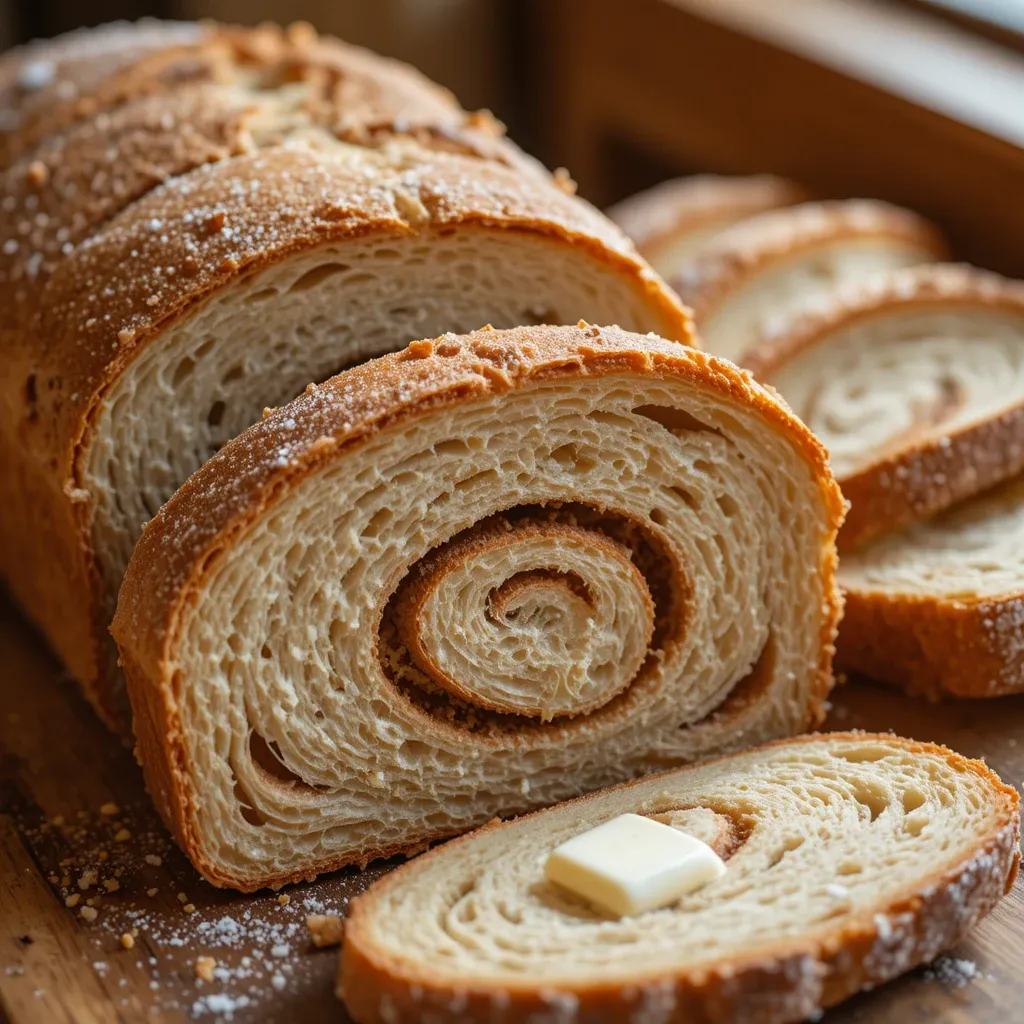
This isn’t your average sweet bread. The signature sourdough tang cuts through the sweetness perfectly, creating layers of flavor that make each bite interesting. The cinnamon swirl runs throughout, creating pockets of sweet, spiced goodness without overwhelming the bread’s natural character.
Budget-Friendly Homemade Goodness
Making cinnamon sugar sourdough bread at home costs a fraction of what you’d pay at artisan bakeries. With simple pantry staples like flour, cinnamon, and sugar, plus your active sourdough starter, you’re creating bakery-quality bread for pennies per slice. No fancy equipment needed – just your hands, a bowl, and your trusty Dutch oven.
Customizable Toppings and Fillings
The beauty of this recipe lies in its versatility. Brush the top with melted butter and sprinkle extra cinnamon sugar for a crispy, sweet crust. Add chopped pecans or walnuts to the filling for crunch. Some days I even drizzle a simple vanilla glaze over the cooled loaf. If you enjoyed experimenting with my honey oat sourdough bread, you’ll love playing with the endless possibilities here. Give this recipe a try at home and make it your own signature loaf!
How to Make Cinnamon Sugar Sourdough Bread
Quick Overview
This cinnamon sugar sourdough bread combines the best of both worlds – artisan bread-making with sweet, comforting flavors. The process is straightforward: mix your dough, let it ferment, roll it out with cinnamon sugar filling, shape it, proof it, and bake to golden perfection. The tangy sourdough base provides incredible depth while the cinnamon swirl adds sweetness and warmth.
Preparation Time:
- Active Time: 30 minutes
- Bulk Fermentation: 4-6 hours
- Cold Proof: 8-12 hours (overnight)
- Final Proof: 2-3 hours
- Baking Time: 45 minutes
- Total Time: 16-22 hours (mostly hands-off)
Key Ingredients for Cinnamon Sugar Sourdough Bread
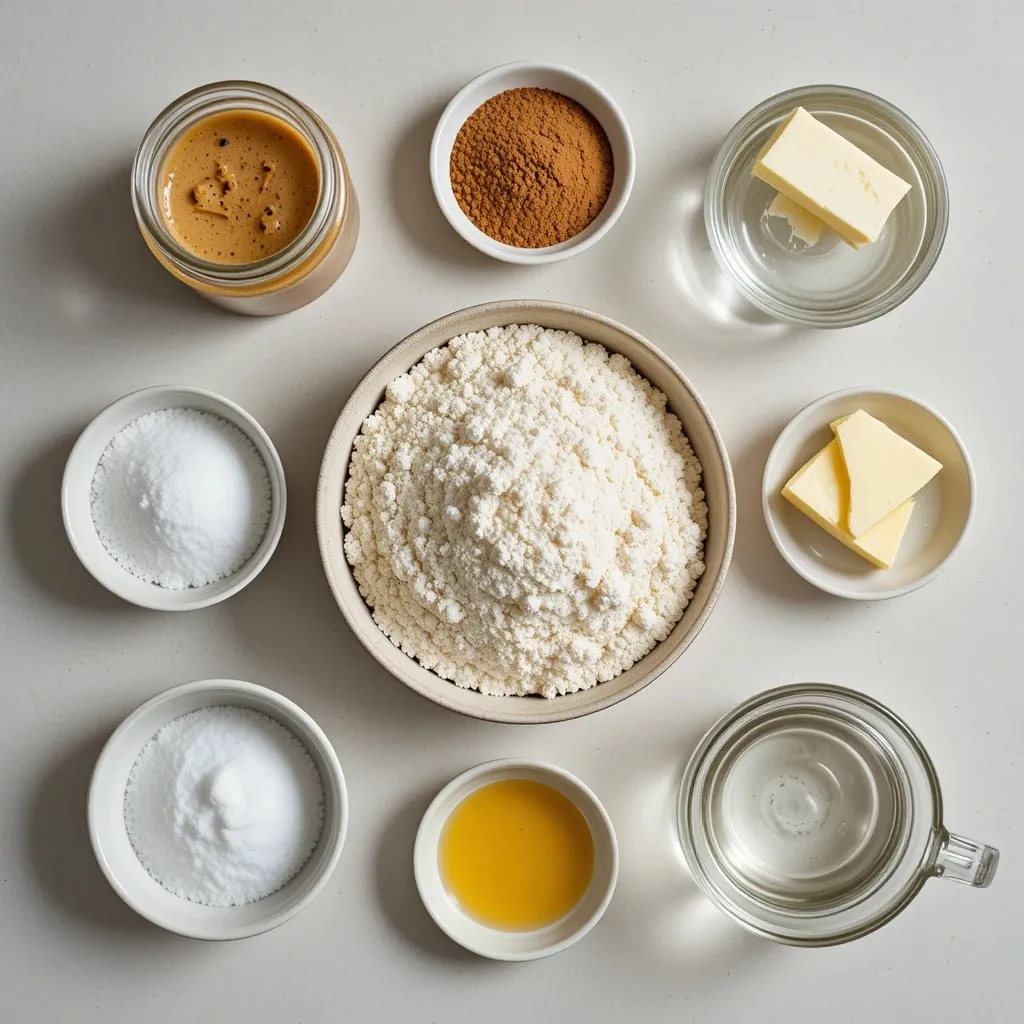
For the Dough:
- 100g active sourdough starter (fed and bubbly)
- 350g water (room temperature)
- 500g bread flour
- 10g salt
- 30g sugar
- 30g softened butter
For the Cinnamon Sugar Filling:
- 100g granulated sugar
- 2 tablespoons ground cinnamon
- 2 tablespoons melted butter
For the Topping (optional):
- 2 tablespoons melted butter
- 2 tablespoons cinnamon sugar mixture
Step-by-Step Instructions
Mix the Dough
In a large mixing bowl, combine your active sourdough starter with room temperature water. Stir until the starter dissolves into the water. Add the bread flour and sugar, mixing with your hands or a wooden spoon until no dry flour remains. The dough will look shaggy and rough – that’s perfect. Cover with a damp towel and let rest for 30 minutes. This autolyse period helps develop gluten naturally.
Add Salt and Butter
After the rest, add the salt and softened butter to your dough. Using your hands, pinch and squeeze the butter and salt into the dough. It’ll feel messy at first, but keep working it. Perform a series of stretch and folds right in the bowl – grab one side of the dough, stretch it up, and fold it over itself. Rotate the bowl and repeat 4-5 times. The dough will transform from sticky to smooth.
Bulk Fermentation
Cover your bowl and let the dough ferment at room temperature (around 70-75°F) for 4-6 hours. During this time, perform stretch and folds every 30 minutes for the first 2 hours. To do this, wet your hands, grab one edge of the dough, stretch it upward, and fold it to the center. Rotate and repeat around the bowl. After 2 hours, let the dough rest undisturbed. You’ll know it’s ready when it’s increased by about 50%, feels puffy, and shows bubbles on the surface.
Prepare the Cinnamon Sugar Filling
While your dough is fermenting, mix together the granulated sugar and ground cinnamon in a small bowl. Set aside. Have your melted butter ready in another small bowl. These simple ingredients create magic when swirled through the dough.
Roll and Fill the Dough
Once bulk fermentation is complete, turn your dough out onto a lightly floured surface. Gently press it into a rectangle about 12×16 inches. Don’t worry about perfection – rustic is beautiful. Brush the entire surface with melted butter, leaving a small border around the edges. Sprinkle the cinnamon sugar mixture evenly over the buttered dough, using all of it. Press the filling gently into the dough with your hands.
Shape the Loaf
Starting from the short end, roll the dough tightly like a jelly roll. Keep the roll snug but don’t squeeze out all the filling. Once rolled, pinch the seam closed and tuck the ends underneath. You’ll have a beautiful log of swirled dough. Place it seam-side down in a banneton basket or a bowl lined with a heavily floured kitchen towel.
Cold Proof Overnight
Cover your shaped loaf with plastic wrap or a shower cap. Place it in the refrigerator for 8-12 hours, or overnight. This cold fermentation develops incredible flavor and makes the dough easier to score. Don’t skip this step – it’s where the magic happens. The cold also helps the cinnamon filling set, preventing it from oozing out during baking.
Prepare for Baking
About 45 minutes before baking, place your Dutch oven with the lid on into your oven. Preheat to 450°F. The Dutch oven needs to be scorching hot to create that perfect crispy crust. While it heats, remove your dough from the refrigerator. It doesn’t need to come to room temperature.
Score and Bake
Carefully flip your cold dough onto a piece of parchment paper. Using a sharp blade or lame, score the top of the loaf with one long slash down the center, about 1/2 inch deep. This allows the bread to expand properly. Carefully remove your hot Dutch oven, lift the parchment paper with the dough, and lower it into the pot. Cover with the lid immediately.
Bake to Golden Perfection
Bake covered for 30 minutes. The steam trapped inside creates a beautiful crust. After 30 minutes, remove the lid and continue baking for another 15-20 minutes until the loaf is deep golden brown. If you want extra sweetness, brush the hot loaf with melted butter and sprinkle with cinnamon sugar immediately after removing from the oven. Let the bread cool on a wire rack for at least 1 hour before slicing. I know it’s hard to wait, but cutting too early will make the bread gummy.
What to Serve Cinnamon Sugar Sourdough Bread With
This versatile loaf shines in many situations. Toast thick slices and slather them with cream cheese or mascarpone for breakfast – it tastes like a cinnamon roll without the guilt. Serve it alongside your morning coffee or chai latte for an elevated café experience at home.
For brunch, pair it with scrambled eggs and fresh fruit. The sweet bread balances perfectly with savory eggs. Make French toast with slightly stale slices – the cinnamon sugar adds extra flavor, and you won’t need much maple syrup.
Turn it into bread pudding for an incredible dessert. The cinnamon swirls throughout make every bite special. Or simply enjoy a warm slice with cold butter melting into all those cinnamon pockets. Sometimes the simplest pleasures are the best.
Pack slices for lunch boxes – kids love the sweet swirls. Serve alongside soup for a comforting dinner. This bread truly works for any meal.
Top Tips for Perfecting Cinnamon Sugar Sourdough Bread
Use an Active, Bubbly Starter
Your sourdough starter should be fed 4-6 hours before mixing your dough. It should have doubled in size and be full of bubbles. A sluggish starter means dense bread. If your starter isn’t ready, give it another feeding and wait. Patience here pays off.
Don’t Overdo the Filling
While it’s tempting to load up on cinnamon sugar, too much can prevent the dough from sealing properly and create gaps. Stick to the measurements in the recipe. The amount is calibrated to give you plenty of flavor without structural issues.
Watch Your Dough Temperature
Fermentation speed depends heavily on temperature. In a cold kitchen (below 68°F), bulk fermentation might take 8-10 hours. In a warm kitchen (above 78°F), it could be done in 3-4 hours. Watch the dough, not just the clock. It should look puffy and feel airy when ready.
Score Decisively
Use a very sharp blade and score with confidence in one smooth motion. Hesitant sawing motions create jagged cuts. A single deep slash works beautifully for this loaf. The blade should be at a 45-degree angle to create an ear.
Allow Proper Cooling Time
This is crucial for cinnamon sugar sourdough bread. The filling needs time to set as the bread cools. Cutting too early releases steam and makes the crumb gummy. I know it smells amazing, but give it at least an hour. Better yet, wait two hours for the perfect texture.
Adjust Hydration if Needed
If your dough feels too sticky during mixing, your flour might absorb less water. Add 10-20g more flour. If it feels tight and dry, add a tablespoon of water at a time. Every flour is different, so minor adjustments are normal.
Storing and Reheating Tips
Room Temperature Storage
Store your cinnamon sugar sourdough bread cut-side down on a cutting board, covered with a clean kitchen towel. This method keeps the cut surface from drying out while allowing the crust to stay crisp. The bread stays fresh for 2-3 days this way. Never store sourdough in plastic bags at room temperature – it makes the crust soft and chewy.
Refrigerator Storage
I don’t recommend refrigerating this bread. The cold temperature crystallizes the starches, making it stale faster. If you must refrigerate, wrap tightly in plastic wrap and store for up to 5 days. Toast slices before eating to refresh the texture.
Freezing for Long-Term Storage
This bread freezes beautifully! Once completely cooled, slice the entire loaf. Wrap individual slices or small portions in plastic wrap, then place in a freezer bag. Remove as much air as possible. Frozen slices stay fresh for up to 3 months. You can toast frozen slices directly from the freezer – they take just a minute longer than fresh bread.
Reheating Methods
For whole loaf reheating, preheat your oven to 350°F. Wrap the loaf in aluminum foil and heat for 10-15 minutes. This refreshes the bread and makes it taste freshly baked. For individual slices, toasting is perfect. The heat caramelizes the cinnamon sugar slightly, creating extra sweetness. You can also warm slices in a dry skillet over medium heat for 1-2 minutes per side.
Reviving Stale Bread
If your bread has gone slightly stale, don’t throw it away! Sprinkle the loaf lightly with water, wrap in foil, and heat at 300°F for 10 minutes. The moisture steams the bread from the inside, making it soft again. Use truly stale bread for French toast or bread pudding – it’s absolutely incredible.
Tips for Avoiding Common Baking Mistakes
Filling Leakage
The most common issue with cinnamon sugar sourdough bread is filling oozing out during baking. This happens when you use too much butter in the filling or don’t seal the seam properly. Use only enough melted butter to lightly coat the dough surface. When rolling, keep it tight and pinch the seam firmly. Roll the dough with the seam on the bottom to keep it sealed.
Dense, Heavy Crumb
A heavy loaf usually means your dough was underfermented. The dough should increase by 50% during bulk fermentation and feel light and airy. Don’t rush this step. Another cause is a weak starter – always use starter at its peak. If your kitchen is cold, extend fermentation time or find a warmer spot.
Gummy Interior
Cutting the bread too soon is the main culprit. The interior continues cooking as it cools. That hot steam needs to escape gradually. Wait at least one full hour, preferably two. I know the anticipation is tough, but patience creates perfect texture.
Flat Loaf
If your bread spreads instead of rising up, your dough might be overproofed or too wet. During final proof, the dough should feel puffy but still hold its shape. An overproofed loaf loses structure. Also, ensure your Dutch oven is fully preheated – the initial blast of heat gives you oven spring.
Burnt Cinnamon Spots
Sometimes cinnamon sugar filling can burn if it’s exposed on the surface. This happens when the dough tears during shaping or the seam opens. Handle shaped dough gently. If you notice tears, pinch them closed before proofing. You can also reduce oven temperature to 425°F if your crust browns too quickly.
Uneven Cinnamon Distribution
For perfect swirls throughout, roll your dough into an even rectangle before adding filling. Spread cinnamon sugar to the edges (except a small border for sealing). Roll tightly and evenly. Loose rolling creates big gaps without filling.
Frequently Asked Questions
Can I make this bread without a Dutch oven?
Yes! You can bake cinnamon sugar sourdough bread on a baking stone or sheet pan. Create steam by placing a metal pan on the bottom oven rack and adding boiling water just before baking. Cover your loaf with a large oven-safe bowl for the first 30 minutes to trap steam, then remove it for the final browning. The crust won’t be quite as crispy, but the bread will still be delicious.
Why did my cinnamon filling leak out during baking?
Filling leakage happens when the dough tears, the seam isn’t sealed properly, or you used too much butter in the filling. Make sure to pinch your seam tightly and place the loaf seam-side down. Don’t oversaturate the dough with butter – just a light coating is enough. Also, the cold proof helps the butter solidify, which prevents leaking.
How do I know when my sourdough starter is ready to use?
Your starter should double in size within 4-6 hours of feeding and be full of bubbles. It should smell pleasantly tangy and sour, not like acetone or alcohol. Perform the float test: drop a spoonful of starter in water. If it floats, it’s active and ready. If it sinks, give it more time or another feeding.
Can I use whole wheat flour instead of bread flour?
You can substitute up to 30% of the bread flour with whole wheat flour for a heartier loaf. Using 100% whole wheat makes the bread very dense. If using whole wheat, increase the water by about 25g as whole wheat absorbs more liquid. The fermentation might also be slightly faster with whole wheat flour.
Why is my bread gummy inside even after cooling?
A gummy interior usually means the bread wasn’t fully baked. The internal temperature should reach 205-210°F. Use an instant-read thermometer to check. Another cause is cutting the bread too soon. Always wait at least one hour for the crumb to set. Also, ensure your oven temperature is accurate – an oven thermometer helps.
Can I add other mix-ins like raisins or nuts?
Absolutely! Add up to 1 cup of chopped nuts, raisins, or chocolate chips. Sprinkle them over the cinnamon sugar before rolling. Pecans and walnuts are my favorite additions. Just remember that mix-ins add weight, which might affect oven spring slightly.
How long does this bread stay fresh?
At room temperature stored properly, cinnamon sugar sourdough bread stays fresh for 2-3 days. After that, it’s still good but best toasted. For longer storage, slice and freeze for up to 3 months. The high sugar content in this bread helps it stay softer longer than plain sourdough.
Can I make this recipe with discard instead of active starter?
This recipe requires active, fed starter for proper rise and flavor. Discard won’t have enough leavening power for a full loaf. However, you can use discard in addition to active starter – use 75g active starter and 25g discard for extra tangy flavor.
Why didn’t my bread rise much in the oven?
Poor oven spring usually means overproofing, weak starter, or insufficient Dutch oven preheating. Make sure your starter is bubbly and active. Don’t let the final proof go too long – the dough should still have some resistance when gently pressed. Preheat your Dutch oven for a full 45 minutes.
Nutrition Information
| Nutrient | Per Slice (1/12 of loaf) |
|---|---|
| Calories | 185 kcal |
| Total Fat | 3.5g |
| Saturated Fat | 2g |
| Cholesterol | 8mg |
| Sodium | 325mg |
| Total Carbohydrates | 34g |
| Dietary Fiber | 1.5g |
| Sugars | 10g |
| Protein | 5g |
Note: Nutrition values are approximate and may vary based on specific ingredients used.
Final Thoughts
Cinnamon sugar sourdough bread has become my go-to recipe when I want to treat my family to something special without spending hours in the kitchen. The combination of tangy sourdough and sweet cinnamon creates a flavor profile that’s simply addictive.
What I love most is how this recipe takes your basic sourdough skills and elevates them into something truly memorable. You’re not just making bread – you’re creating moments. The smell alone brings everyone to the kitchen, and watching their faces light up with the first bite never gets old.
Don’t be intimidated by the timing. Yes, it takes planning, but most of that time is hands-off. Once you get the rhythm down, it becomes second nature. Mix the dough, do a few folds, shape it, let it rest overnight, and bake in the morning. It fits beautifully into a normal schedule.
This bread has graced our breakfast table on lazy Sunday mornings, traveled in lunchboxes as special treats, and even made appearances at potlucks where it disappeared within minutes. I’ve gifted loaves to neighbors and new parents, always met with requests for the recipe.
The beauty of cinnamon sugar sourdough bread is its versatility. Some mornings it’s breakfast. Other days it’s dessert. Sometimes it’s a snack that turns into a meal because you can’t stop at one slice. It’s comfort food that happens to be made with simple, real ingredients.
If you’re new to sourdough baking, this recipe might seem ambitious, but I promise it’s more forgiving than you think. The sweet filling hides small imperfections, and even a less-than-perfect loaf tastes incredible. Every baker I know has stories of “ugly” loaves that were devoured anyway.
So grab your starter, set aside some time, and give this recipe a try. Your kitchen will smell amazing, your family will be impressed, and you’ll have delicious bread for days. And when you pull that golden loaf from the oven and see those beautiful cinnamon swirls, you’ll understand why this has become one of my most-requested recipes.
Happy baking! May your starter be bubbly, your oven spring impressive, and your cinnamon swirls perfectly distributed. Don’t forget to share your results – I love seeing how this recipe turns out in your kitchen!