Crispy Sourdough Bread Grilled Cheese Recipe in 15 Minutes
There’s something magical about the moment when butter hits a hot pan and sourdough bread starts to sizzle. That golden-brown crust, the stretchy cheese pull, the tangy notes from the sourdough—this isn’t just any grilled cheese. This is the sandwich that ruins all other sandwiches for you.
I still remember the first time I made grilled cheese with sourdough instead of regular white bread. My daughter looked at me like I’d just discovered electricity. If you’ve been making grilled cheese with plain bread, you’ve been missing out on something extraordinary.
What is Sourdough Bread Grilled Cheese?
Ever wonder why we call it “grilled” cheese when we actually cook it in a pan? Food naming mysteries aside, this sandwich is comfort food royalty. It’s the classic grilled cheese elevated with tangy, chewy sourdough bread that adds depth and character to every bite.
They say the way to anyone’s heart is through their stomach, and I’m convinced this sandwich is the fastest route. The fermented tang of sourdough bread paired with melted cheese creates a flavor combination that’s simultaneously familiar and exciting. Trust me, once you make this version, you’ll never look back.
Why You’ll Love This Sourdough Bread Grilled Cheese
The Texture is Unbeatable
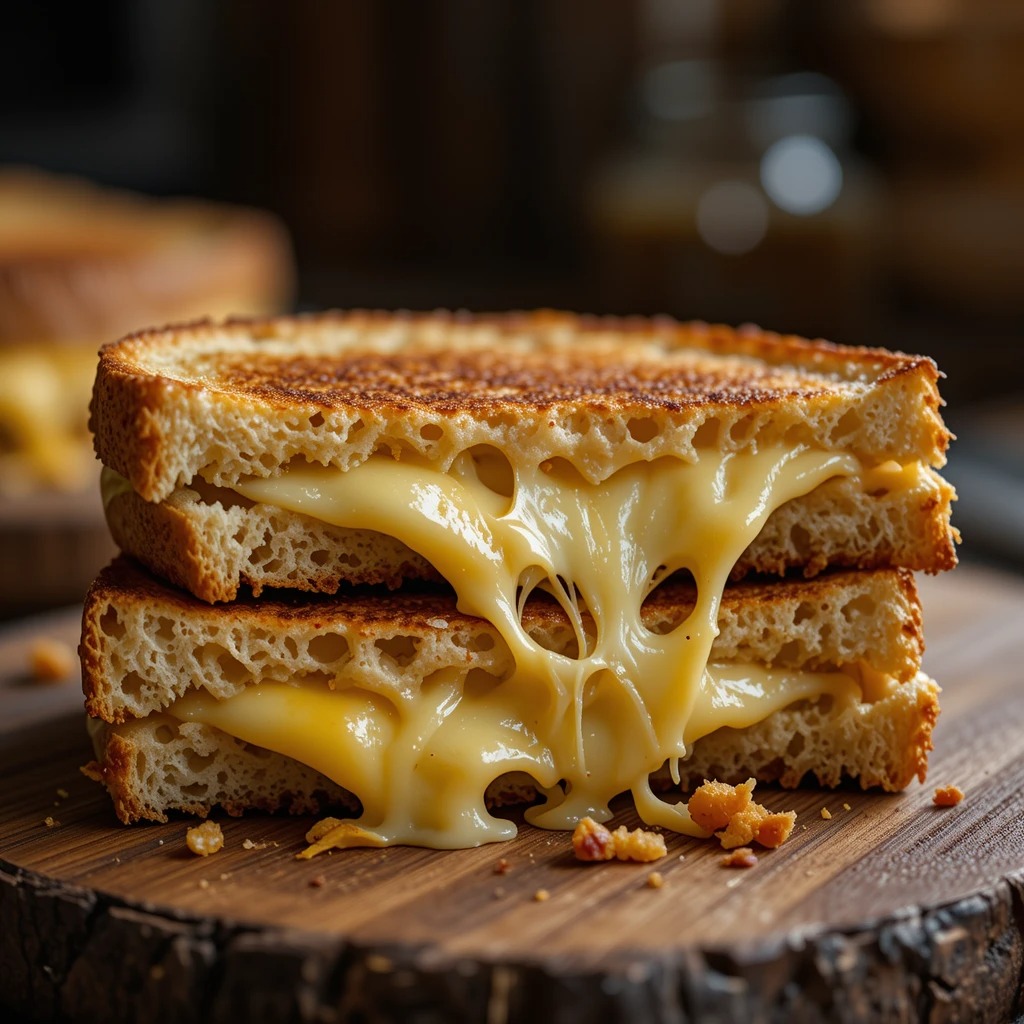
The crispy, golden exterior of sourdough bread contrasts beautifully with the gooey, melted cheese inside. Unlike soft white bread that can get soggy, sourdough holds its structure while developing the most satisfying crunch. Each bite delivers that perfect combination of crispy and creamy that makes grilled cheese so addictive.
Budget-Friendly Comfort Food
Making this at home costs a fraction of what you’d pay at a fancy café. With just a few simple ingredients—bread, cheese, and butter—you can create restaurant-quality comfort food in your own kitchen. Plus, you control the cheese quantity (and let’s be honest, we all know cafés skimp on the good stuff).
Endless Customization Options
The beauty of this recipe lies in its versatility. While the classic version with cheddar is perfection, you can experiment with gruyere, fontina, or a blend of your favorite cheeses. Add caramelized onions, sliced tomatoes, or fresh herbs to make it your own. If you loved my crispy oven-baked chicken sandwich, you’ll appreciate how this sourdough grilled cheese brings that same satisfying crunch factor. The tangy sourdough base welcomes all kinds of additions without overwhelming the star ingredient—that glorious melted cheese.
The key is using good quality ingredients and cooking it low and slow for that perfect golden crust. Ready to make the best grilled cheese of your life? Let’s get cooking!
How to Make Sourdough Bread Grilled Cheese
Quick Overview
This sourdough bread grilled cheese is ridiculously easy to make yet delivers restaurant-quality results. The tangy sourdough provides a sturdy base that crisps up beautifully, while the cheese melts into creamy perfection. The secret is cooking it slowly over medium-low heat so the cheese has time to melt completely while the bread develops that gorgeous golden-brown crust.
Time Breakdown:
- Prep Time: 5 minutes
- Cook Time: 8-10 minutes
- Total Time: 13-15 minutes
- Servings: 1 sandwich (easily multiplied)
Key Ingredients for Sourdough Bread Grilled Cheese
For the Sandwich:
- 2 slices sourdough bread (about ½-inch thick)
- 2-3 ounces cheese (cheddar, gruyere, or your favorite melting cheese)
- 2 tablespoons butter (softened, divided)
Optional Add-ins:
- 1 clove garlic (minced, mixed into butter)
- Fresh herbs (like thyme or basil)
- Sliced tomatoes
- Caramelized onions
Pro tip: Room temperature cheese melts faster and more evenly than cold cheese straight from the fridge.

Step-by-Step Instructions
Step 1: Prepare Your Ingredients
Take your butter out of the fridge 15-20 minutes before cooking so it’s soft and spreadable. If you forgot, microwave it for 5-7 seconds. Slice or grate your cheese. I prefer grating it because it melts more evenly, but slices work beautifully too.
Step 2: Butter the Bread
Spread about 1 tablespoon of softened butter on one side of each sourdough slice. Make sure you cover the entire surface right to the edges. This is what creates that golden, crispy crust we’re after. Don’t skip the corners!
Step 3: Assemble the Sandwich
Place one slice of bread butter-side down on a clean surface. Add your cheese, making sure to distribute it evenly across the bread. Don’t pile it all in the center or you’ll have cheese oozing out everywhere (though some cheese spillage is delicious). Top with the second slice of bread, butter-side up.
Step 4: Heat Your Pan
Place a skillet or griddle over medium-low heat. This is important—don’t crank the heat up high or your bread will burn before the cheese melts. Let the pan heat for about 2 minutes. You want it hot enough to sizzle when the butter hits, but not smoking.
Step 5: Cook the First Side
Carefully place your sandwich in the hot pan. You should hear a gentle sizzle. Cook for 4-5 minutes without moving it. I know it’s tempting to peek, but resist! Let it do its thing. You’ll see the cheese starting to melt around the edges and the bread developing a golden color when you lift the edge slightly.
Step 6: Flip and Cook the Second Side
Using a spatula, carefully flip the sandwich. If some cheese escapes, that’s okay—those crispy cheese bits are a bonus treat. Cook for another 3-4 minutes until the second side is golden brown and the cheese is completely melted.
Step 7: The Press Technique (Optional)
For extra crispy results and even cheese distribution, gently press down on the sandwich with your spatula during cooking. Don’t smash it flat, just apply gentle pressure for a few seconds.
Step 8: Check for Doneness
Your sandwich is ready when both sides are deep golden brown and the cheese is visibly melted and gooey. If you’re not sure, give it a gentle squeeze with the spatula—you should feel the melted cheese give slightly.
Step 9: Rest and Serve
Transfer to a cutting board and let it rest for 1-2 minutes. This lets the cheese set slightly so it doesn’t all pour out when you cut it. Slice diagonally (because diagonal always tastes better) and serve immediately.
What to Serve Sourdough Bread Grilled Cheese With
This sandwich pairs wonderfully with so many sides. Here are my favorite combinations:
Classic Tomato Soup: Nothing beats the timeless pairing of grilled cheese and tomato soup. The acidity of the tomatoes cuts through the richness of the cheese perfectly.
Simple Green Salad: A crisp salad with vinaigrette balances the richness of the sandwich. Add some arugula, cherry tomatoes, and a lemon dressing.
Pickle Spears: The tangy crunch of pickles complements the creamy cheese and provides a nice textural contrast.
Sweet Potato Fries: For a heartier meal, crispy sweet potato fries add a touch of sweetness that works surprisingly well with the tangy sourdough.
Fresh Fruit: Apple slices or grapes provide a refreshing, light counterpoint to the rich sandwich.
Coleslaw: Creamy or vinegar-based coleslaw adds crunch and freshness to your plate.
Top Tips for Perfecting Sourdough Bread Grilled Cheese
Choose the Right Bread Thickness
Look for sourdough slices that are about ½-inch thick. Too thin and they’ll get soggy; too thick and the cheese won’t melt before the bread burns. If you’re buying a whole loaf, slice it yourself for perfect control.
Room Temperature is Your Friend
Let your cheese come to room temperature for 20-30 minutes before cooking. Cold cheese takes longer to melt and might leave you with burnt bread and unmelted cheese. The same goes for butter—soft butter spreads easily without tearing the bread.
Low and Slow Wins the Race
Medium-low heat is the secret to grilled cheese perfection. I know it’s tempting to crank up the heat, but patience pays off. You want the inside to get gooey while the outside turns golden, not burnt.
Use Multiple Cheese Types
Mix sharp cheddar with creamy fontina or add a slice of gruyere. Combining cheeses creates complex flavors and ensures perfect meltiness. Sharp cheddar adds flavor while softer cheeses provide that Instagram-worthy stretch.
Butter Alternative: Mayo Magic
Try spreading mayonnaise on the outside of the bread instead of butter. It creates an incredibly crispy, golden crust and won’t burn as easily. Use about 1 tablespoon per slice. I was skeptical too, but it works!
Cover for Faster Melting
If your cheese isn’t melting fast enough, cover the pan with a lid for the last minute of cooking on each side. The trapped heat melts the cheese quickly while keeping the crust crispy.
Day-Old Bread is Perfect
Slightly stale sourdough actually works better than fresh. It absorbs the butter without getting soggy and crisps up beautifully. If you have fresh bread, toast it lightly first.
Grate Your Own Cheese
Pre-shredded cheese contains anti-caking agents that prevent it from melting smoothly. Grating your own cheese takes 30 seconds and makes a huge difference in how creamy and gooey your sandwich becomes.
Storing and Reheating Tips
Storing Leftovers
While grilled cheese is always best eaten fresh, you can store leftovers in an airtight container in the refrigerator for up to 2 days. Let it cool completely before storing to prevent sogginess.
Refrigeration Method
Wrap the cooled sandwich in aluminum foil or place it in an airtight container. Store in the refrigerator for 1-2 days maximum. The bread will soften in the fridge, but it can be re-crisped.
Reheating in the Oven
For best results, reheat in a 350°F oven for 8-10 minutes. Place the sandwich directly on the oven rack or on a baking sheet. This method maintains crispiness better than the microwave.
Reheating in a Skillet
Heat a skillet over medium-low heat. Add the sandwich and cook for 2-3 minutes per side until heated through and crispy. You can add a tiny bit more butter if needed.
Air Fryer Method
Reheat at 350°F for 3-4 minutes. This is my favorite reheating method because it makes the bread crispy again while melting the cheese perfectly.
Avoid the Microwave
Microwaving makes the bread soggy and rubbery. If you must use a microwave, heat for 20-30 seconds maximum and expect a softer texture.
Freezing (Not Recommended)
I don’t recommend freezing grilled cheese sandwiches as the texture suffers significantly. The bread becomes mushy and the cheese separates. If you want meal prep options, freeze the components separately instead.
Tips for Avoiding Common Baking Mistakes
Mistake #1: Using Heat That’s Too High
The most common error is cooking over high heat. This burns the bread before the cheese melts. Always use medium-low heat and be patient. Think of it as a slow dance, not a sprint.
Mistake #2: Not Buttering to the Edges
If you don’t butter all the way to the edges, those spots won’t brown properly. You’ll end up with pale, soft corners while the center is golden. Take an extra second to spread butter completely.
Mistake #3: Moving the Sandwich Too Much
Constantly flipping or moving the sandwich prevents proper browning. Let it sit undisturbed for the full cooking time on each side. You only need to flip once.
Mistake #4: Using Too Much Cheese
More isn’t always better. Too much cheese oozes out and burns in the pan, creating a mess and wasting good cheese. Stick to 2-3 ounces per sandwich.
Mistake #5: Cold Ingredients
Starting with cold butter, bread, and cheese from the fridge leads to uneven cooking. Let everything come closer to room temperature for 15-20 minutes before cooking.
Mistake #6: Cutting Too Soon
Slicing immediately causes all the melted cheese to run out. Wait at least 1-2 minutes for the cheese to set slightly. Your patience will be rewarded with a prettier, less messy sandwich.
Mistake #7: Using Pre-Sliced Cheese
Those individually wrapped cheese slices don’t melt as beautifully as block cheese. Invest in good quality block cheese and slice or grate it yourself for superior results.
Mistake #8: Wrong Pan Choice
Non-stick pans work best for grilled cheese. Cast iron can work but requires more attention to heat management. Avoid pans with uneven surfaces that create hot spots.
Frequently Asked Questions
What type of cheese melts best for grilled cheese?
Cheddar, gruyere, fontina, and American cheese all melt beautifully. For the best results, use a combination of sharp cheddar for flavor and a softer cheese like fontina or mozzarella for that perfect stretch. Avoid hard cheeses like parmesan on their own as they don’t melt smoothly.
Can I make sourdough grilled cheese in the oven?
Yes! Preheat your oven to 450°F. Butter both sides of the bread, assemble the sandwich, and place it on a baking sheet. Bake for 5-6 minutes, flip, and bake for another 4-5 minutes until golden brown and the cheese is melted.
Why does my bread burn before the cheese melts?
Your heat is too high. Always cook grilled cheese over medium-low heat. It takes longer, but the slow cooking allows the cheese to melt completely while the bread develops a perfect golden crust without burning.
Do I need to butter both sides of the bread?
You only butter the outside surfaces—the sides that touch the pan. The inside surfaces of the bread that touch the cheese don’t need butter. Two slices of bread mean two buttered sides total.
Can I use frozen bread for grilled cheese?
Yes, but thaw it completely first. Frozen bread releases moisture as it thaws, which can make your grilled cheese soggy. Let the bread reach room temperature and pat it dry if needed before buttering.
What’s the best butter for grilled cheese?
Regular salted butter works perfectly. For extra flavor, try using garlic butter or herb butter. European-style butter with higher fat content creates an even richer, more golden crust.
How do I get those Instagram-worthy cheese pulls?
Use freshly grated cheese that’s been sitting at room temperature. Pull the sandwich halves apart slowly while the cheese is still hot. Younger, softer cheeses like mozzarella or fontina create the best stretchy pulls.
Can I add vegetables to my sourdough grilled cheese?
Absolutely! Thinly sliced tomatoes, caramelized onions, and sautéed mushrooms all work wonderfully. Just make sure vegetables are patted dry to prevent sogginess. Add them between the cheese layers for best results.
Is sourdough bread healthier than white bread?
Sourdough undergoes fermentation that breaks down some of the gluten and makes nutrients more bioavailable. It also has a lower glycemic index than regular white bread, meaning it won’t spike your blood sugar as dramatically.
Can I make multiple sandwiches at once?
Yes! Use a large griddle or two pans. Just make sure not to crowd them. Each sandwich needs space for steam to escape. If they’re touching, the sides won’t crisp up properly.
Nutrition Information (Per Sandwich)
| Nutrient | Amount |
|---|---|
| Calories | 450-520 |
| Total Fat | 28g |
| Saturated Fat | 16g |
| Cholesterol | 75mg |
| Sodium | 680mg |
| Total Carbohydrates | 32g |
| Dietary Fiber | 2g |
| Sugars | 3g |
| Protein | 18g |
| Calcium | 420mg |
| Iron | 2.5mg |
Note: Nutrition values are approximate and vary based on specific ingredients and portions used
Final Thoughts
Making the perfect sourdough bread grilled cheese is one of those simple pleasures in life that never gets old. Whether you’re making it for a quick lunch, a cozy dinner, or even a midnight snack, this sandwich delivers comfort and satisfaction in every bite.
The tangy sourdough elevates the classic grilled cheese into something special without requiring any fancy techniques or hard-to-find ingredients. It’s proof that simple food, made with care and good ingredients, is often the most memorable.
So grab that sourdough loaf, your favorite cheese, and some butter. In less than 15 minutes, you’ll be biting into the crispiest, meltiest, most delicious grilled cheese sandwich you’ve ever made. And once you make it this way, there’s no going back to ordinary bread.
What’s your favorite cheese combination for grilled cheese? Let me know in the comments below—I love hearing how you make this recipe your own!