Sourdough Discard Strawberry Bagels Recipe – So Easy
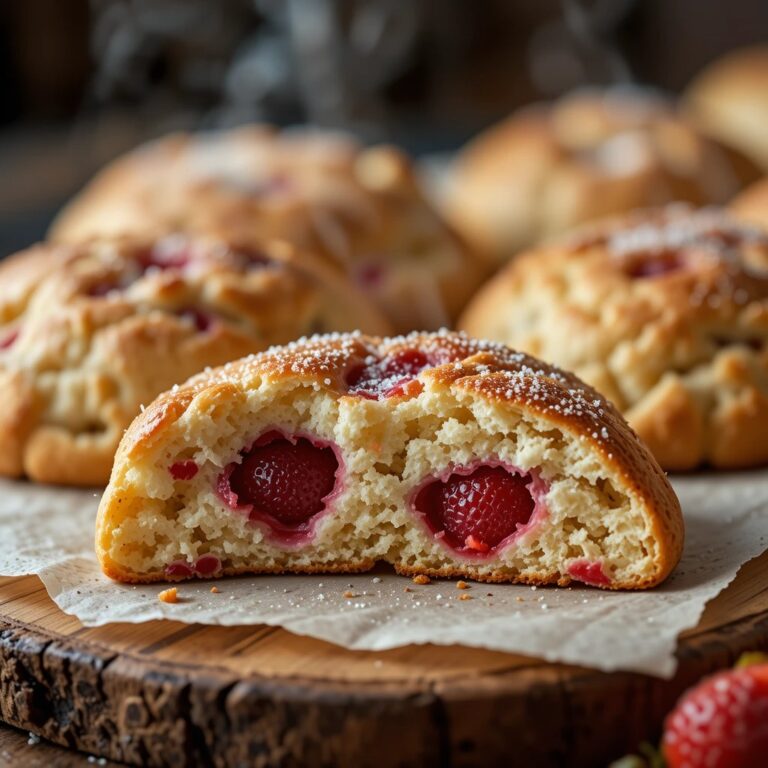
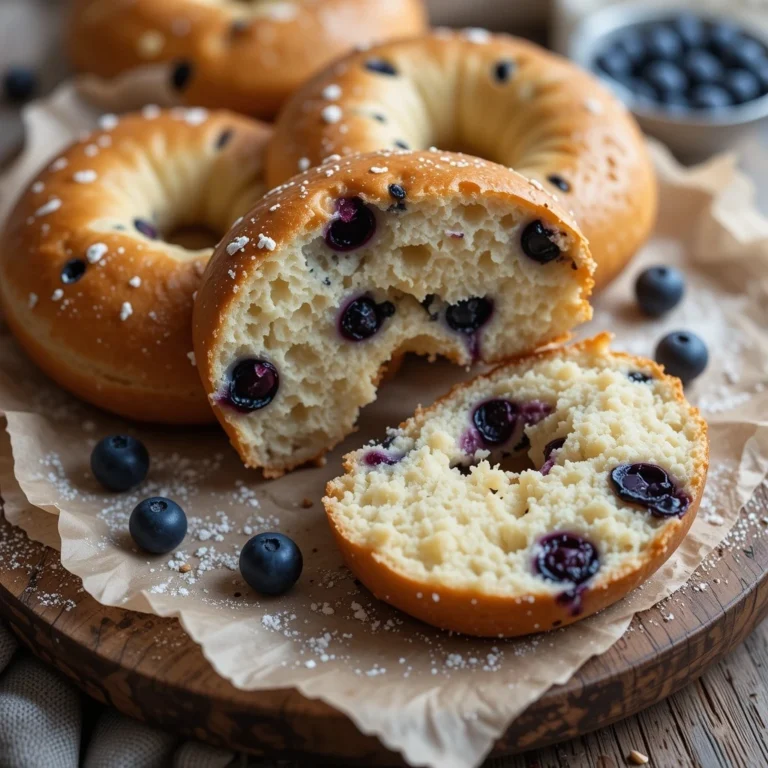
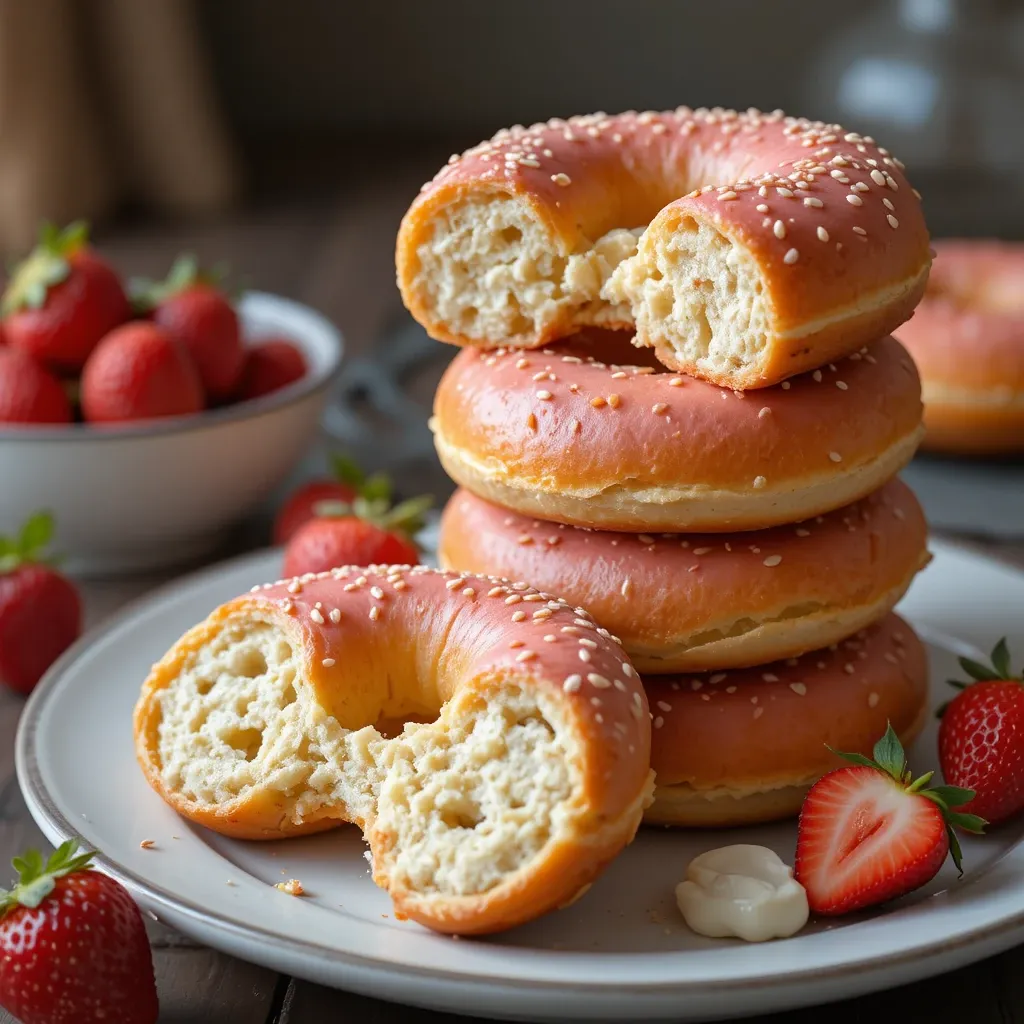
Picture this: golden-crusted bagels with beautiful pink swirls, bursting with fresh strawberry flavor and that signature chewy texture we all crave. These sourdough discard strawberry bagels are exactly what your weekend breakfast routine has been missing!
They’re surprisingly simple to make, use up that extra sourdough starter sitting in your fridge, and create the most Instagram-worthy breakfast you’ve ever seen. I remember the first time I pulled these beauties out of the oven – my kitchen smelled like a bakery, and my family couldn’t believe I made them from scratch!
What Are Sourdough Discard Strawberry Bagels?
Ever wonder what happens when you combine the tangy goodness of sourdough with sweet, juicy strawberries? Magic, that’s what! These aren’t your ordinary bagels from the corner deli. They’re homemade treasures that turn your “waste” sourdough starter into something extraordinary.
As they say, the way to anyone’s heart is through their stomach, and these pink-hued beauties will win over everyone at your breakfast table. Ready to transform your discard into deliciousness?
Why You’ll Love This Sourdough Discard Strawberry Bagels Recipe
The Perfect Balance of Sweet and Tangy
These bagels offer something truly special – the subtle tang from sourdough perfectly complements the natural sweetness of strawberries. Each bite delivers that authentic bagel chewiness while surprising your taste buds with bursts of fruity flavor.
The gorgeous pink color makes them irresistible, especially for kids who might normally skip breakfast.
Budget-Friendly Baking at Home
Making bagels at home costs a fraction of what you’d spend at specialty bakeries. A dozen homemade sourdough discard strawberry bagels costs roughly $5-7, while buying similar artisan bagels would set you back $20 or more.
Plus, you’re using sourdough discard that would otherwise go to waste. It’s economical and eco-friendly!
Customize to Your Heart’s Desire
Top these beauties with cream cheese, butter, or even a drizzle of honey. Add poppy seeds, sesame seeds, or everything bagel seasoning before baking.
You can adjust the strawberry intensity based on your preference. If you loved our classic sourdough discard crackers, you’ll adore how versatile discard can be in sweet applications too.
Go ahead and whip up a batch this weekend – your kitchen will smell amazing!
How to Make Sourdough Discard Strawberry Bagels
Quick Overview
These sourdough discard strawberry bagels combine the best of both worlds: tangy sourdough flavor and sweet strawberry goodness. The process is straightforward, requiring basic ingredients and simple techniques.
The strawberries add natural color and flavor while keeping the bagels moist. Total time from start to finish is about 2-3 hours, with most of that being hands-off rising time.
Preparation Time:
- Prep: 30 minutes
- First rise: 1 hour
- Shaping: 15 minutes
- Second rise: 30 minutes
- Boiling & baking: 30 minutes
- Total: 2 hours 45 minutes
Key Ingredients for Sourdough Discard Strawberry Bagels
For the Dough:
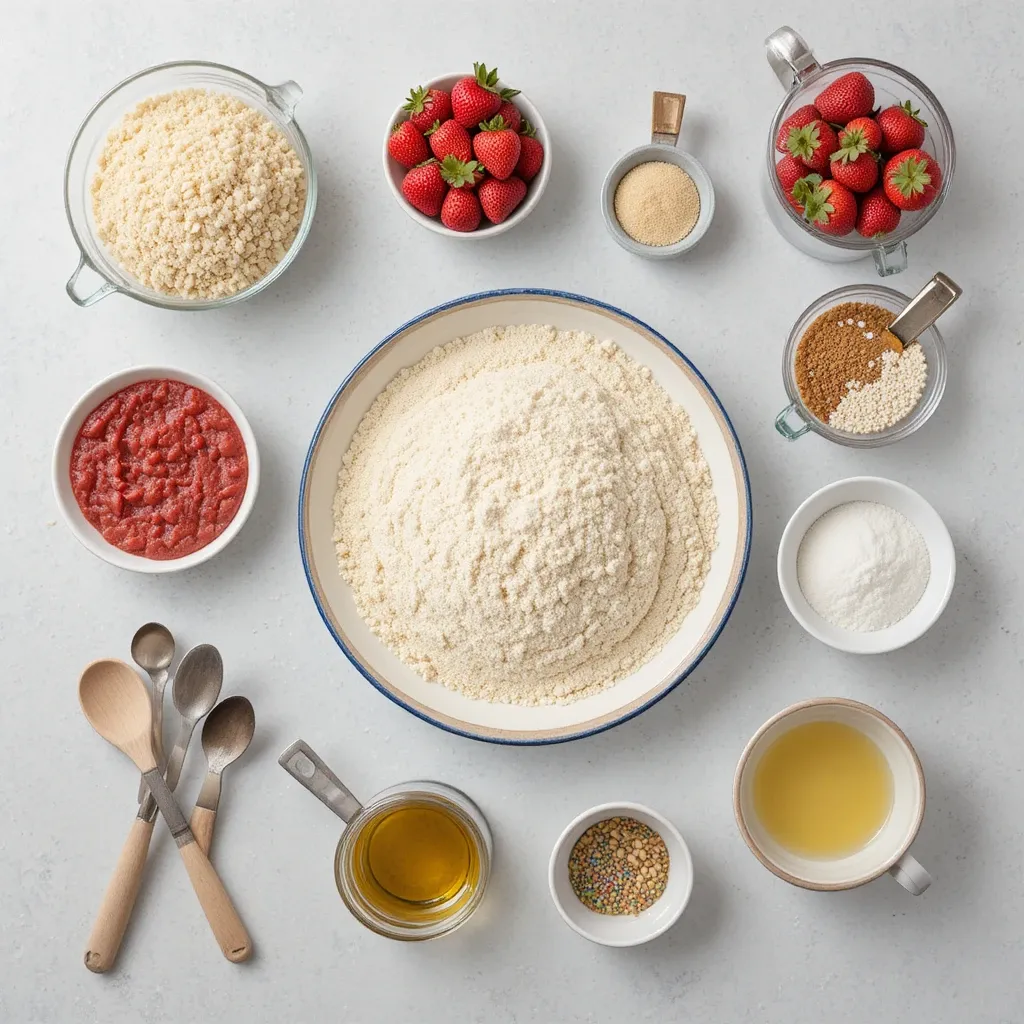
- 1 cup (240g) unfed sourdough discard (straight from the fridge is fine)
- 1 cup (150g) fresh strawberries, pureed
- 3 ½ cups (420g) bread flour (plus extra for dusting)
- 2 tablespoons (25g) granulated sugar
- 1 ½ teaspoons (9g) salt
- 1 teaspoon instant yeast (optional, for faster rise)
- ½ cup (120ml) warm water (adjust as needed)
- 2 tablespoons (30ml) neutral oil
For Boiling:
- 8 cups water
- 2 tablespoons (25g) sugar or honey
- 1 tablespoon baking soda
Optional Toppings:
- Sesame seeds
- Poppy seeds
- Coarse salt
- Everything bagel seasoning
Step-by-Step Instructions
How do I prepare the strawberry puree?
Wash and hull about 1 cup of fresh strawberries. Add them to a blender or food processor and blend until completely smooth.
You should have about ¾ to 1 cup of puree. If your strawberries are very watery, you can strain through a fine-mesh sieve, but I usually skip this step.
The puree will give your bagels that beautiful pink color and subtle strawberry flavor.
How do I mix the bagel dough?
In a large mixing bowl, combine the sourdough discard, strawberry puree, sugar, and oil. Mix until well combined.
Add the bread flour, salt, and yeast (if using) to the wet mixture. Start with ½ cup warm water.
Mix everything together using a wooden spoon or your hands until a shaggy dough forms. Add more water, one tablespoon at a time, only if the dough feels too dry.
Bagel dough should be quite stiff and not sticky.
How do I knead the dough properly?
Turn the dough out onto a lightly floured surface. Knead for 8-10 minutes until the dough becomes smooth and elastic.
The dough will be firmer than bread dough – this is exactly what you want for chewy bagels. If it sticks to your hands, dust with a tiny bit of flour, but resist adding too much.
You can also use a stand mixer with a dough hook attachment for 5-6 minutes on medium speed.
How long should the dough rise?
Place the kneaded dough in a lightly oiled bowl and turn it to coat all sides. Cover with a damp kitchen towel or plastic wrap.
Let it rise in a warm spot for about 1 hour, or until it’s increased in size by about 50%. Since we’re using discard (not active starter), it won’t double like traditional bread dough.
The yeast will do most of the rising work here.
How do I shape the bagels?
Once risen, punch down the dough and turn it out onto your work surface. Divide the dough into 8-10 equal pieces (about 110-120g each for standard bagels).
To shape each bagel, roll each piece into a smooth ball first. Poke your thumb through the center of the ball to create a hole.
Gently stretch the hole to about 2 inches in diameter – it should look bigger than you think because it will shrink during rising and baking.
Place shaped bagels on a parchment-lined baking sheet, spacing them about 2 inches apart.
How long do shaped bagels need to rest?
Cover the shaped bagels with a clean kitchen towel and let them rest for 30 minutes at room temperature.
Meanwhile, preheat your oven to 425°F (220°C) and prepare your boiling water.
You can also do a cold rise in the refrigerator overnight at this stage if you want to bake fresh bagels in the morning.
How do I boil the bagels?
Fill a large, wide pot with 8 cups of water. Add the sugar (or honey) and baking soda. Bring to a rolling boil.
Carefully drop 2-3 bagels at a time into the boiling water – don’t overcrowd the pot. Boil for 45 seconds on the first side.
Flip the bagels using a slotted spoon and boil for another 45 seconds on the second side.
Remove the boiled bagels with a slotted spoon, letting excess water drain off. Place them back on the parchment-lined baking sheet.
How do I add toppings before baking?
While the bagels are still wet from boiling, immediately sprinkle your desired toppings on top. The moisture helps toppings stick.
You can leave some plain or get creative with different toppings for variety. Press the toppings gently to help them adhere.
How do I bake the bagels?
Place the baking sheet in your preheated 425°F (220°C) oven. Bake for 20-25 minutes until the bagels are golden brown and sound hollow when tapped on the bottom.
Rotate the pan halfway through baking for even browning.
Remove from the oven and let cool on a wire rack for at least 10 minutes before slicing. The texture improves as they cool slightly.
What to Serve Sourdough Discard Strawberry Bagels With
These sweet-tangy bagels pair beautifully with both sweet and savory accompaniments.
Sweet Options:
- Cream cheese (plain, strawberry, or honey-flavored)
- Mascarpone cheese with fresh strawberry slices
- Butter and strawberry jam
- Almond butter with sliced bananas
- Ricotta cheese drizzled with honey
Savory Options:
- Plain cream cheese with cucumber and tomato
- Herb cream cheese with fresh basil
- Soft cheese with smoked salmon (for pescatarians)
- Avocado mash with everything bagel seasoning
- Hummus with roasted vegetables
Beverages:
- Freshly brewed coffee or cappuccino
- Herbal tea (especially chamomile or mint)
- Fresh orange juice
- Strawberry smoothie
- Chai latte
Top Tips for Perfecting Sourdough Discard Strawberry Bagels
Choose the right flour. Bread flour is essential for that signature chewy texture. All-purpose flour will work in a pinch, but your bagels won’t be as chewy. The higher protein content in bread flour develops more gluten, creating that authentic bagel bite.
Don’t skip the boiling step. This is what separates bagels from bread rolls! Boiling sets the crust before baking, creating that shiny, chewy exterior. The baking soda in the boiling water helps achieve a deeper golden color and traditional bagel flavor.
Keep the dough stiff. Bagel dough should be much firmer than regular bread dough. It might feel tough to knead at first, but this density is what creates the perfect chewy texture. If your dough is too soft, add flour one tablespoon at a time.
Make the holes bigger than you think. The holes will shrink during rising and baking. Start with a 2-inch hole when shaping – it seems huge, but you’ll end up with the perfect size after baking.
Use fresh strawberries when possible. Fresh strawberries give the best flavor and color. Frozen strawberries work but release more water, so you might need to reduce the added water in the recipe. If using frozen, thaw and drain them first.
Test the water temperature. The boiling water should be at a rolling boil. If it’s not hot enough, your bagels won’t develop that characteristic shiny crust. If you’re adding bagels and the boiling stops, wait for it to come back to a full boil before adding more.
Don’t overcrowd during boiling. Give each bagel space in the pot. Overcrowding drops the water temperature too much and causes bagels to stick together.
Work quickly after boiling. Add toppings immediately after removing bagels from the boiling water while they’re still wet. This is when toppings stick best.
Cool before slicing. I know they smell amazing fresh from the oven, but wait at least 10 minutes. Cutting too early releases steam and makes the interior gummy instead of chewy.
Storing and Reheating Tips
Room Temperature Storage: Store cooled bagels in an airtight container or resealable plastic bag at room temperature for up to 3 days. Keep them away from direct sunlight and heat sources.
Make sure bagels are completely cooled before storing to prevent condensation, which can make them soggy.
Refrigerator Storage: You can refrigerate bagels for up to 1 week in an airtight container. However, refrigeration can make them stale faster, so room temperature or freezing is preferred for best texture.
Freezer Storage: Freeze bagels for up to 3 months. Slice them in half before freezing for easier toasting later.
Wrap each bagel individually in plastic wrap, then place all wrapped bagels in a freezer-safe bag. Remove as much air as possible to prevent freezer burn.
Label the bag with the date so you remember when you made them.
Reheating Methods: For refrigerated or day-old bagels, toast them in a toaster or toaster oven for 3-4 minutes. This refreshes the exterior and brings back some of the original texture.
For frozen bagels, you can toast directly from frozen – just add an extra minute or two.
If you prefer a softer bagel, wrap it in a damp paper towel and microwave for 20-30 seconds. This method softens the bagel but won’t give you a crispy exterior.
For oven reheating, wrap bagels in aluminum foil and heat at 350°F (175°C) for 10 minutes. This method works great for multiple bagels at once.
Common Baking Mistakes to Avoid
Adding too much water to the dough. This is the number one mistake! Bagel dough should be quite stiff – much stiffer than regular bread dough. If your dough is sticky or soft, it won’t produce that authentic chewy texture. Add water gradually and stop when the dough just comes together.
Not kneading long enough. Proper gluten development is crucial for chewy bagels. Knead for the full 8-10 minutes by hand, or 5-6 minutes in a stand mixer. The dough should be smooth, elastic, and spring back when poked.
Overproofing the dough. Since we’re using both sourdough discard and commercial yeast, these bagels can overproof quickly. Watch the clock during the first rise – you want about 50% increase in size, not doubled. Overproofed bagels will be flat and dense.
Making the holes too small. This is so common! The holes shrink significantly during rising and baking. Start with a 2-inch hole when shaping – it will look comically large, but trust the process.
Boiling water that’s not hot enough. The water must be at a full rolling boil. If it’s just simmering, your bagels won’t develop that characteristic shiny, chewy crust. Don’t skip the baking soda in the boiling water – it helps with browning and flavor.
Boiling too long. More boiling doesn’t mean better bagels. Stick to 45 seconds per side. Boiling longer creates an overly thick, tough crust that’s unpleasant to eat.
Baking at too low a temperature. Bagels need high heat (425°F/220°C) to set the crust properly while keeping the interior chewy. Lower temperatures will give you bread rolls, not bagels.
Cutting into hot bagels. I know the temptation is real, but wait! Cutting too soon releases all the steam and makes the interior gummy. Let them cool for at least 10 minutes.
Using old or expired yeast. Even though sourdough adds flavor, the commercial yeast does most of the rising. Make sure your yeast is fresh and active. Test it in warm water with a pinch of sugar – it should foam within 5-10 minutes.
Not adjusting for humidity. If you live in a humid climate, you might need slightly less water. If it’s very dry, you might need a touch more. Pay attention to the dough’s texture rather than following measurements blindly.
Frequently Asked Questions
Can I make these bagels without sourdough discard? Yes! Replace the sourdough discard with an equal amount of Greek yogurt or buttermilk for tangy flavor. You can also use ½ cup water mixed with ½ cup all-purpose flour, though you’ll lose some of the signature tang.
Why are my bagels flat instead of puffy? Flat bagels usually result from overproofing. The dough should only rise about 50% during the first rise. Also, make sure you’re not skipping the boiling step, which sets the exterior and helps maintain shape.
Can I use frozen strawberries? Absolutely! Thaw frozen strawberries completely and drain excess liquid before pureeing. You may need to reduce the water added to the dough since frozen berries release more moisture.
Do I have to boil the bagels? Yes, boiling is essential! This step is what makes bagels different from bread rolls. It sets the crust, creates that characteristic chew, and gives bagels their shiny appearance.
How can I make the strawberry flavor stronger? Use freeze-dried strawberry powder mixed into the dough for concentrated flavor without adding extra moisture. You can also add 1 teaspoon of strawberry extract to the puree. Some bakers add finely diced fresh strawberries to the dough for bursts of fruit.
Can I make these bagels vegan? These bagels are already vegan! Just make sure your sugar isn’t processed with bone char if you follow strict vegan guidelines. Use maple syrup instead of honey in the boiling water.
Why did my bagels turn brown instead of pink? The pink color depends on the strawberry variety and amount used. Some strawberries are more vibrant than others. For brighter color, add a tiny bit of natural red beet powder to the strawberry puree. The color will also deepen during baking.
Can I add chocolate chips or other mix-ins? Yes! Fold in ½ cup of mini chocolate chips, dried cranberries, or chopped nuts after kneading. Don’t add too many mix-ins, or the dough structure will be compromised.
How do I know when the bagels are fully baked? Bagels should be deep golden brown on top and sound hollow when tapped on the bottom. The internal temperature should reach about 200-205°F (93-96°C) if you’re using a thermometer.
Can I make the dough the night before? Yes! After shaping the bagels, cover them tightly and refrigerate overnight (up to 24 hours). Let them sit at room temperature for 20 minutes before boiling and baking. Cold bagels may need an extra minute of boiling time.
Nutrition Information
| Nutrient | Per Bagel (1/10 recipe) |
|---|---|
| Calories | 210 |
| Total Fat | 3g |
| Saturated Fat | 0.5g |
| Sodium | 450mg |
| Total Carbohydrates | 40g |
| Dietary Fiber | 2g |
| Sugars | 5g |
| Protein | 7g |
Note: Nutrition values are approximate and vary based on specific ingredients used and bagel size.
These sourdough discard strawberry bagels have become a weekend staple in my home. There’s something deeply satisfying about transforming what would be “waste” into something so beautiful and delicious. The combination of tangy sourdough and sweet strawberries creates a flavor profile that’s truly unique – not too sweet, not too savory, just perfectly balanced.
I love how these bagels bring my family together. My kids fight over the pinkest ones (in a good way!), and my husband requests them for special breakfast occasions. Even friends who visit ask if I have any frozen in my freezer.
The best part? You don’t need to be an experienced baker to nail this recipe. Yes, bagels might seem intimidating, but I promise you – if you can knead dough and boil water, you can make these. The sense of accomplishment when you pull that tray of golden, glossy bagels from your oven is absolutely worth it.
So grab that sourdough discard sitting in your fridge, pick up some fresh strawberries, and give these a try. Your kitchen will smell amazing, you’ll feel like a baking superstar, and you’ll have the most delicious breakfast for days to come. Happy baking!